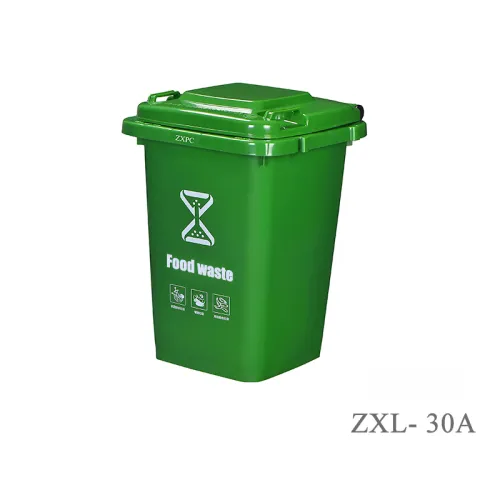
The procurement of a Medical Waste Bin is a vital process for clinics and labs to ensure safe and compliant disposal of hazardous materials. Selecting the right medical waste bins can significantly impact not only workplace safety and regulatory compliance, but also environmental responsibility. In this article, we will explore the intricacies involved in procuring medical waste bins, including types, standards, purchasing procedures, and implementation steps.

Health facilities generate various types of medical waste that require specialized handling. It’s crucial to understand the classifications outlined by the EPA (Environmental Protection Agency) and OSHA (Occupational Safety and Health Administration) to ensure compliance. According to the EPA, healthcare facilities generate approximately 5.9 million tons of medical waste annually, emphasizing the need for effective waste management strategies.
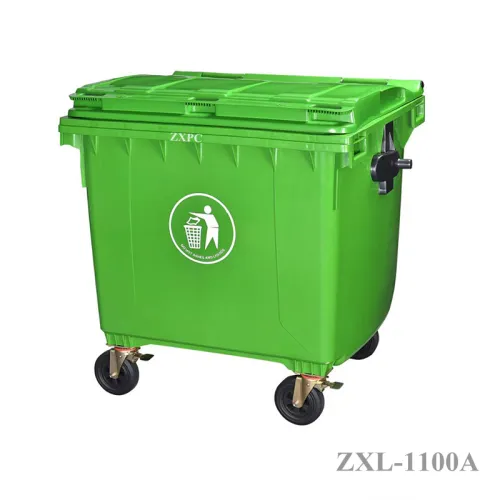
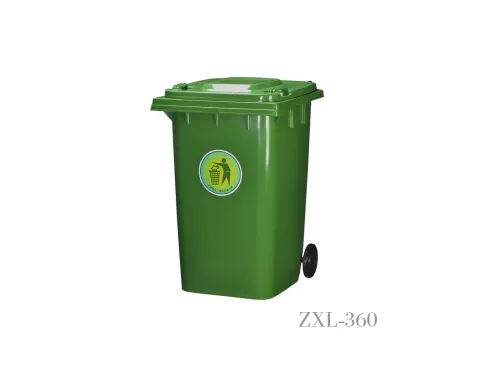
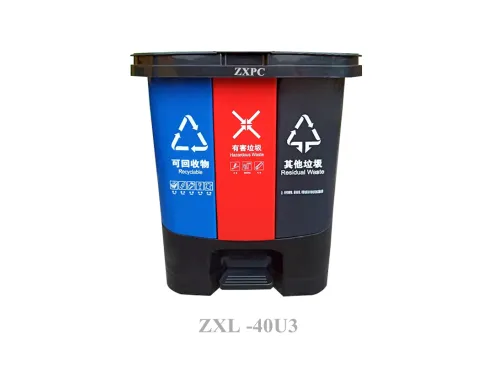
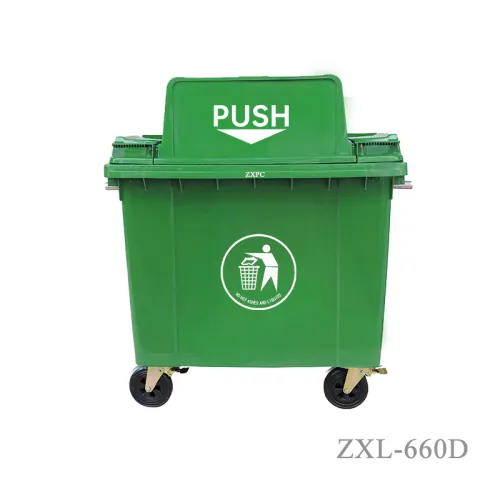
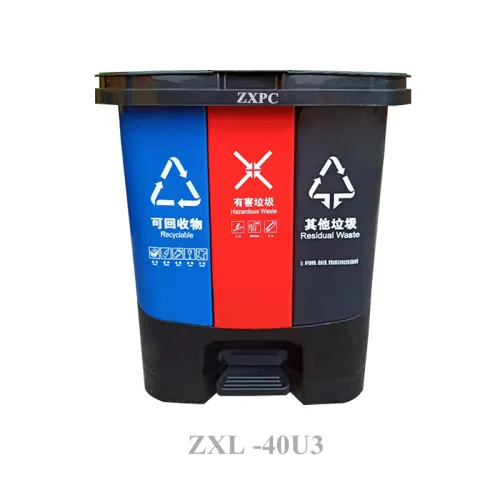
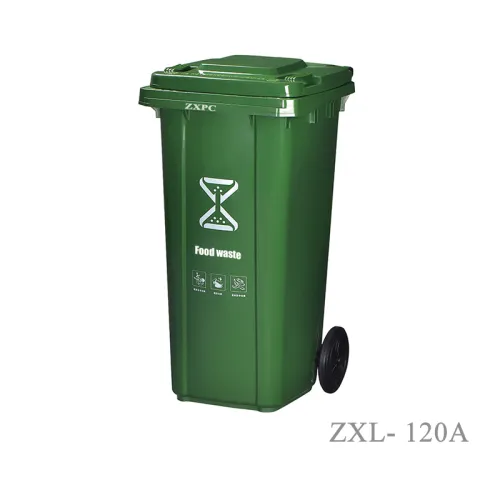
General waste bins are designed for non-hazardous waste, including packaging and other non-contaminated materials.
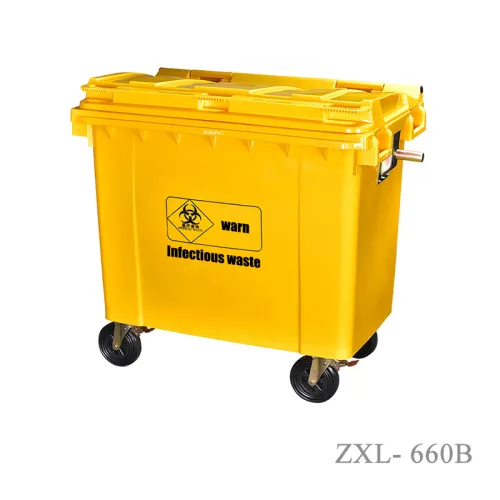
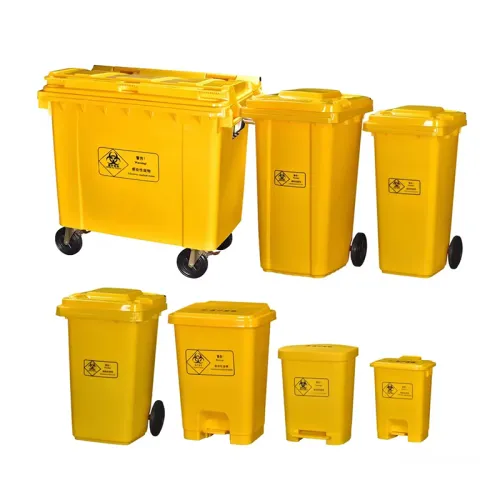
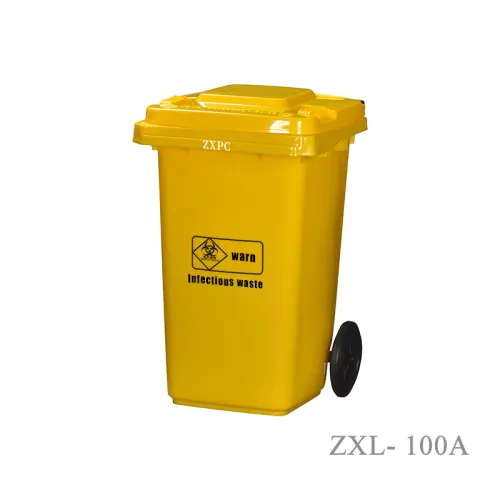
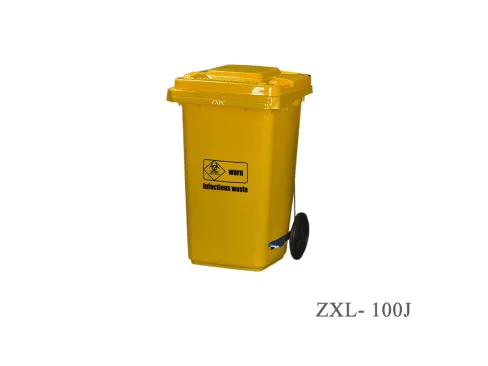
Biohazard bins are typically red or yellow, labeled with the biohazard symbol. They are essential for solid waste that is contaminated with bodily fluids or pathogens. Standards such as ANSI/AAMI/ISO 15223-1:2016 outline the requirements for these containers.
Sharps containers are crucial for safely disposing of needles and other sharp instruments. The CDC recommends that these containers are puncture-resistant and labeled clearly to prevent accidental injuries.
Look for bins made from high-density polyethylene (HDPE) for strength and chemical resistance, typically rated to withstand temperatures from -40°C to 60°C.
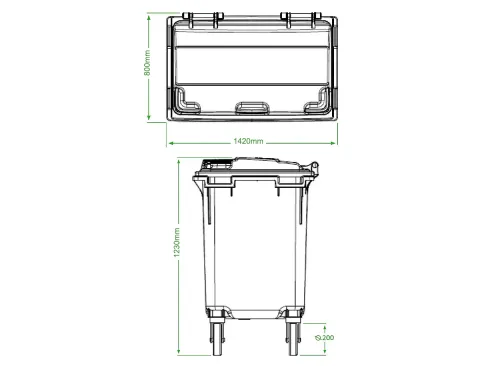
Clinics and labs should consider the capacity of the bins needed based on the volume of waste generated. Bins typically range from 5 gallons to 30 gallons or larger, depending on the facility’s needs.
Bins should meet local and federal standards, including OSHA regulations. Documentation proving compliance with these standards is essential for audits and inspections.
Conduct a waste audit to determine the types and volumes of waste your facility generates. This data guides the selection of appropriate bins.
Establish a budget that considers initial costs, ongoing disposal fees, and compliance training. Studies suggest that clinics can save up to 30-40% by implementing efficient waste management practices.
Identify suppliers who meet industry standards and review their certifications. Compare materials, prices, and delivery options to find the best value, aiming for bins with a proven track record of user satisfaction.
Implement training programs for staff on proper waste segregation and disposal methods to reduce contamination risk. Integrating ISO 9001 quality management principles into training can enhance compliance and safety.
Establish a regular collection schedule that aligns with waste generation rates. A study by the EPA found that timely disposal can cut costs by reducing overflow and maintaining hygiene.
Continuously assess waste management efficiency and make adjustments as necessary. Collect quantifiable data to analyze waste trends and improve processes.
Using compliant medical waste bins not only protects health but also minimizes environmental impact. A study by the WHO highlights that proper waste management can reduce healthcare-associated infections by as much as 30%.
Some facilities may benefit from partnering with waste disposal companies that offer comprehensive services, including recycling options for certain types of waste.
Conducting regular audits ensures adherence to regulations and identifies areas for improvement. Facilities should aim for an annual compliance review for ongoing efficiency.
In conclusion, procuring a Medical Waste Bin involves understanding regulations, assessing needs, selecting appropriate bins, and training personnel. By following these structured steps and utilizing quantified data, clinics and laboratories can enhance their waste management practices and contribute to a safer environment.