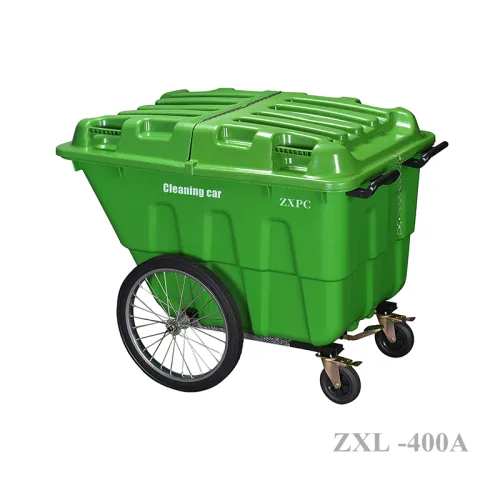
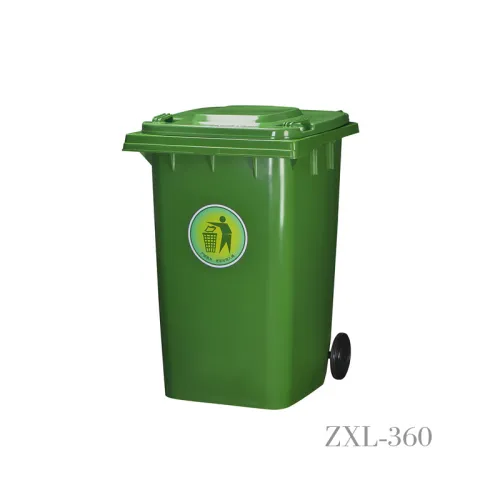
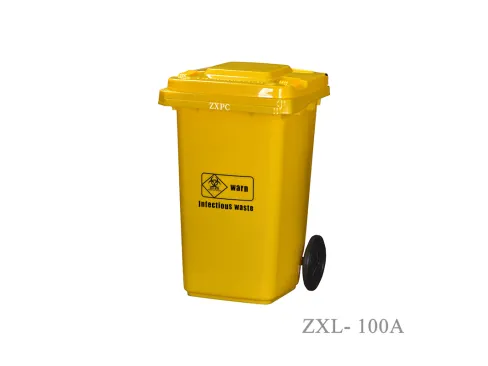
When it comes to waste management, commercial buyers often face a critical decision: should they invest in a 360 litre wheelie bin or opt for a 400L bin? This choice is pivotal, not just for cost but also for operational efficiency. Users frequently express concerns such as the following: 'Will a 360 litre wheelie bin suffice for my small business?', or, 'Is the larger 400L bin overkill for our modest daily waste?' Understanding the nuances of each option can lead to better decision-making, enhancing waste management processes and driving sustainability efforts.
To assist buyers in their decisions, let's delve into a comparative table that highlights the key parameters of both bins, focusing on size, approximate capacity, and suitability for different business types:
| Features | 360 Litre Wheelie Bin | 400 Litre Bin |
|---|---|---|
| Capacity | 360 Litres | 400 Litres |
| Weight | approximately 25 kg | approximately 30 kg |
| Dimensions (cm) | 97 x 54 x 107 | 102 x 56 x 110 |
| Ideal for | Small to medium businesses | Medium to large businesses |
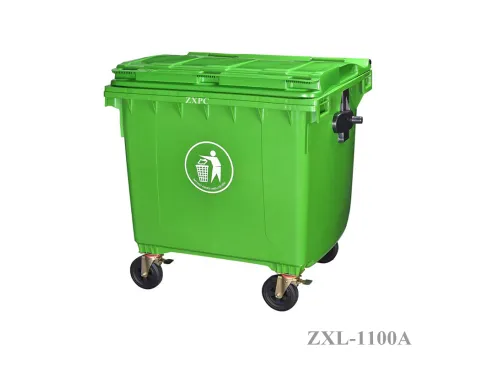
The effectiveness of a bin solution is not merely in its size; it’s also about how well it adapts to the specific waste management needs of a business. For instance, a local café generating an average of 240 litres of waste per week might find that a 360 litre wheelie bin meets their needs perfectly, allowing efficient collection without overflow. In contrast, a retail store with higher foot traffic could benefit from the increased capacity of a 400L bin, capturing an average of 320 litres weekly, thereby reducing the frequency of waste collection.
From a cost perspective, businesses must consider not just the initial acquisition cost of either bin but also the long-term value they provide. The price of a 360 litre wheelie bin typically averages around $150, while the 400L bin is priced closer to $200. This additional $50 investment translates into a 11% increase in capacity but might be unnecessary for businesses with lower waste volumes. Additionally, opting for a more significant capacity can incur higher disposal costs if waste management contracts are charged per volume. Hence, a careful calculation based on waste projections is essential.
Feedback from current users sheds light on practical experiences with these bins. For example, Karen, who runs a boutique in a high-traffic location, opted for the 400L bin last year. She reported, "I frequently found my 360 litre wheelie bin overflowing. Since switching to the 400L, I’ve reduced the number of pickups from twice a week to once, saving me approximately $100 monthly in disposal fees." Alternatively, David’s microbrewery, which produces limited waste, remains satisfied with his 360 litre wheelie bin: "It’s compact and fits in my workspace without taking up too much room." Such case studies emphasize the diversity of needs across different businesses.
Making an informed selection between the 360 litre wheelie bin and the 400L bin requires consideration of several factors. If your business generates less than 300 litres weekly, the 360 litre bin may serve you best, ensuring space efficiency and lower costs. However, if waste output is higher or expected to grow significantly, the 400L bin is recommended for its ability to accommodate larger volumes without necessitating frequent disposal. In doing so, buyers are advised to consult with waste management professionals or service providers, who can offer tailored insights based on their operational needs.
Ultimately, the decision between a 360 litre wheelie bin and a 400L bin comes down to your specific waste generation patterns and logistic capabilities. Smaller operations and businesses with more predictable waste profiles will find the 360 litre version to be adequate and cost-effective, while larger enterprises handling variable waste volumes will benefit from the capacity of a 400L bin. Both options have their advantages and are backed by positive user experiences.
As you contemplate your waste management solution, consider reaching out for personal consultations or in-depth analyses from service providers like ZXPC, who can assist you in making an informed choice tailored to your business. Ensure you evaluate your waste generation accurately as it will significantly impact efficiency and savings.