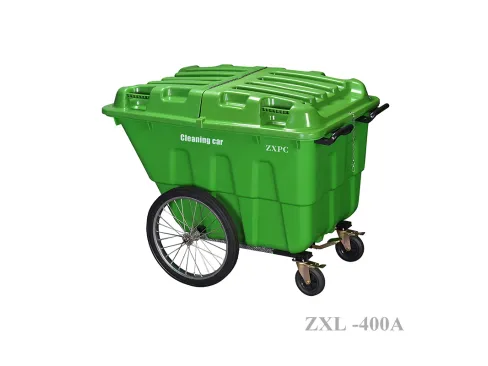
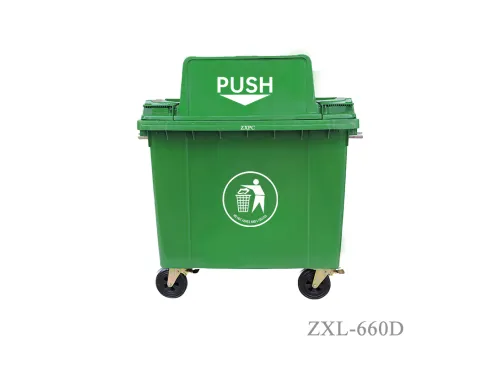
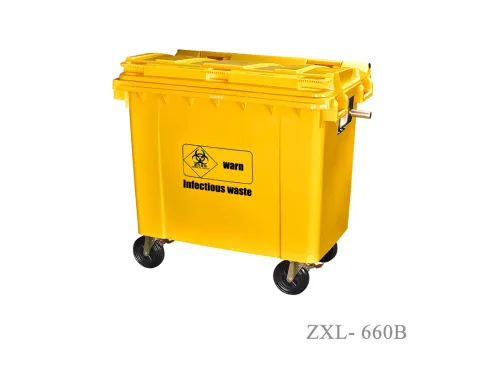
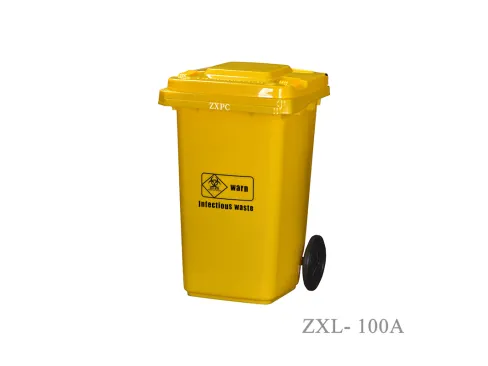
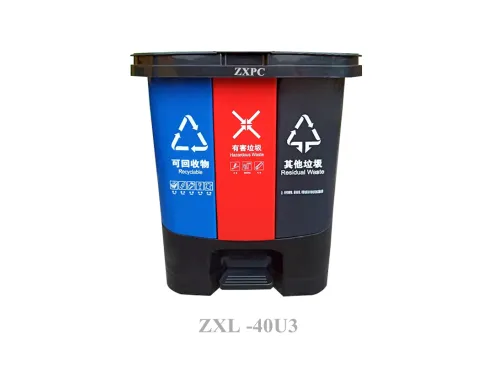
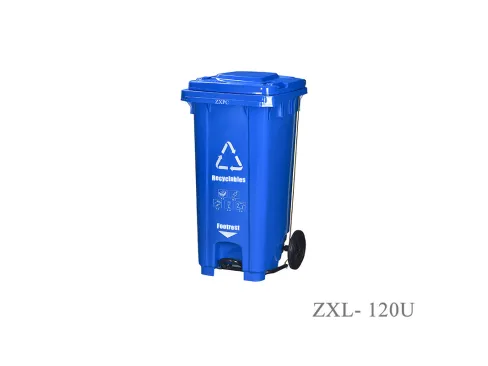
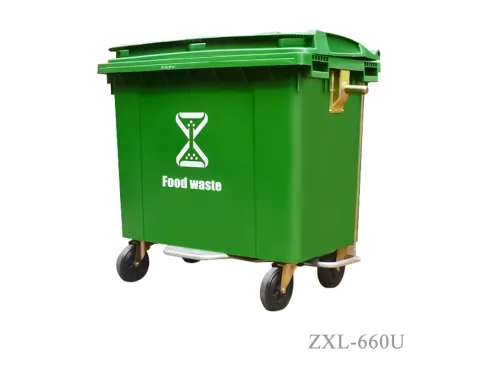
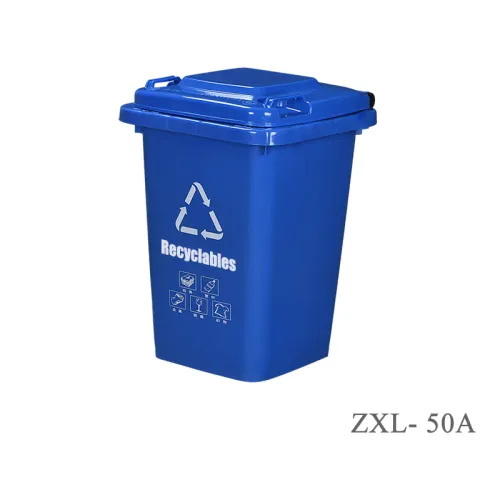
In bustling urban environments, the presence of litter can be an eyesore and a source of public health concerns. As municipalities and business owners strive to keep their areas clean, two primary options emerge: outdoor litter bins and wheelie bins. Users often grapple with the question: when should I choose outdoor litter bins over wheelie bins? This article explores various use cases to highlight the advantages and drawbacks of each solution, addressing pain points such as overflow management and ease of accessibility.
| Parameter | Outdoor Litter Bins | Wheelie Bins |
|---|---|---|
| Capacity | Typically 50-100 liters | 120-240 liters |
| Mobility | Static | Mobile; wheels for transport |
| Protection from Elements | Varied designs, often waterproof | Generally enclosed, with lids |
| Accessibility | Open tops, ideal for quick disposal | Requires tilting to access |
| Location Suitability | Parks, streets, public square | Private collection points, residential areas |
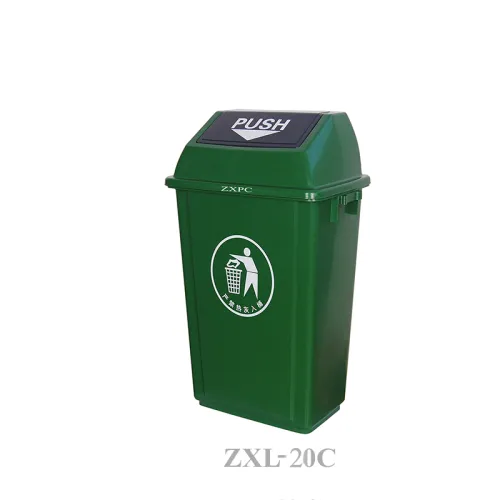
When analyzing the suitability of outdoor litter bins versus wheelie bins, it is crucial to consider the environment. Outdoor litter bins are often placed in high-traffic areas; an example is New York City's Central Park, which sees over 40 million visitors annually. Park authorities installed ZXPC outdoor litter bins designed to handle peak usage during summer months, tackling overflow issues that former bins could not manage efficiently. The open-top design allowed for faster disposal times, evidenced by a 30% decrease in litter on pathways when these bins were introduced.
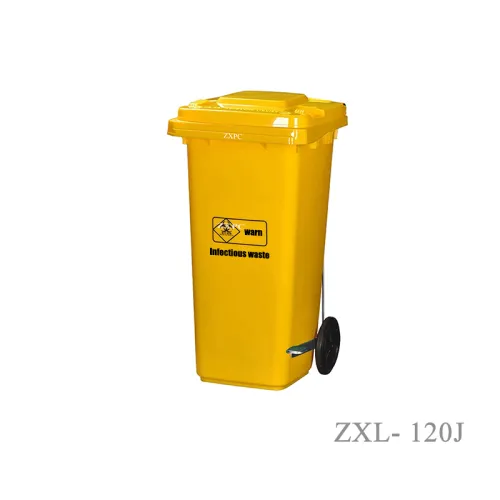
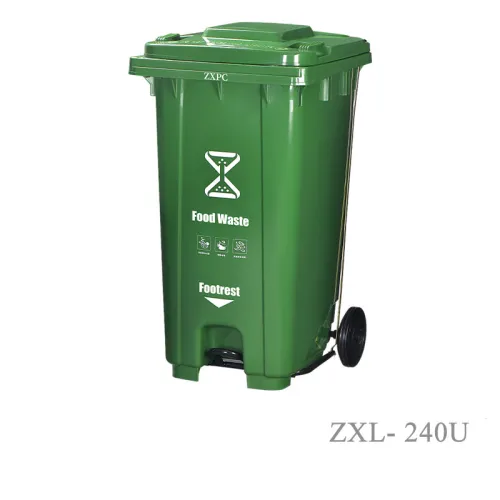
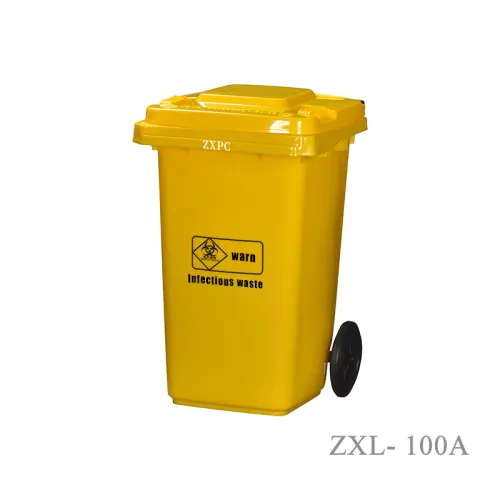
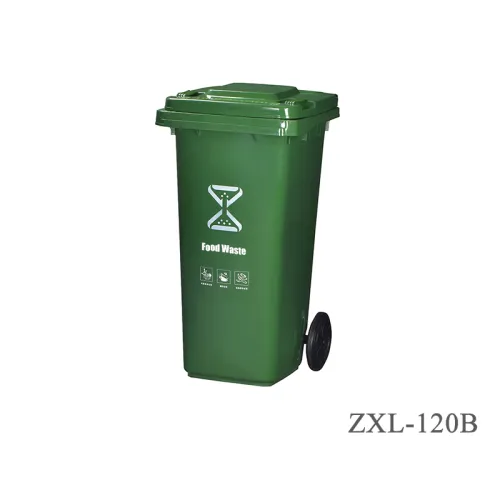
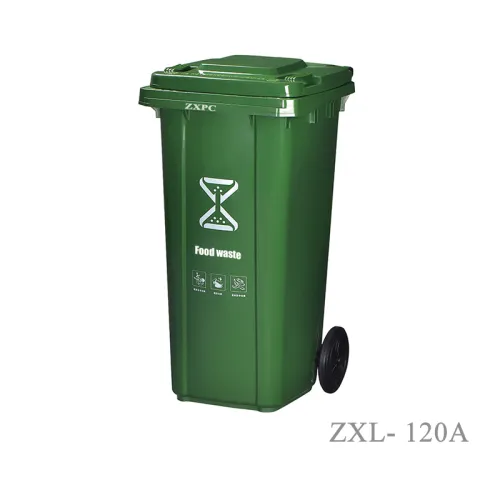
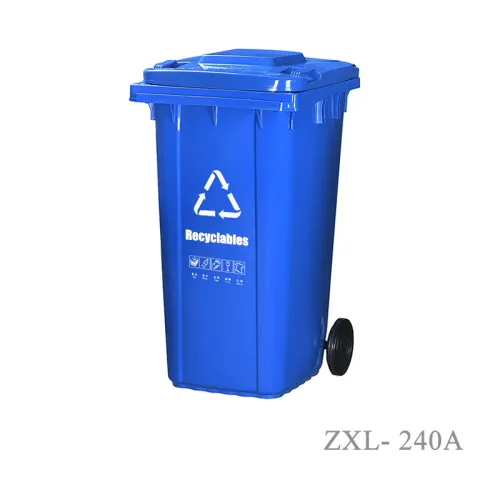
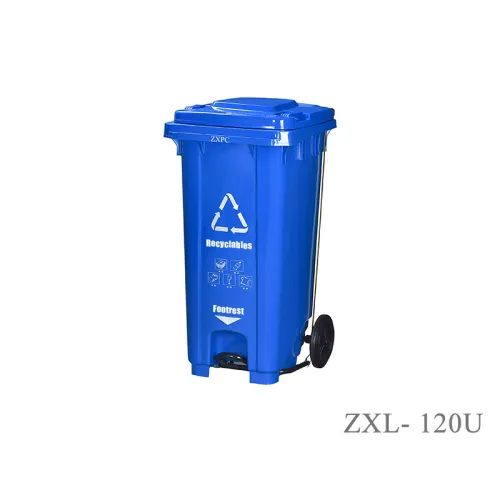
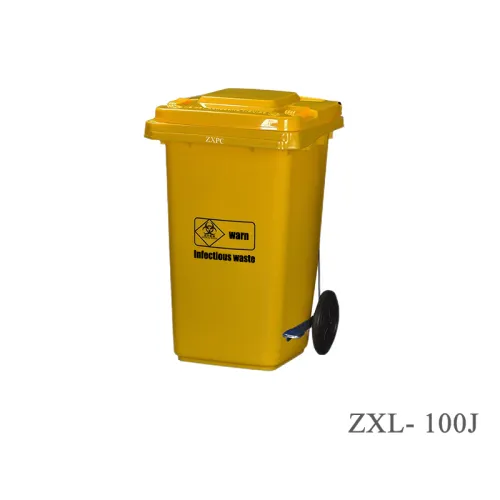
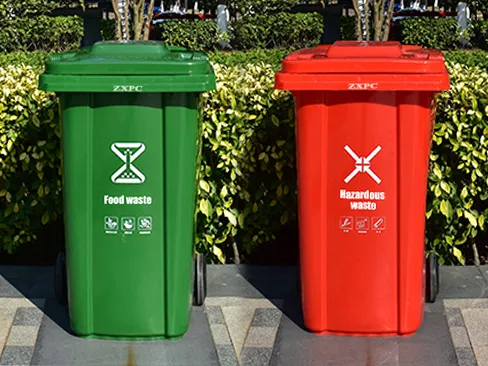
Conversely, wheelie bins are best suited for residential areas where regular collection services operate. They can be wheeled to collection points, making them ideal for locations requiring frequent pickups. In a survey conducted by Local Waste Services, 73% of residents using wheelie bins found them easy to handle, with 85% reporting satisfaction with their collection frequency.
Cost is another significant factor when deciding between outdoor litter bins and wheelie bins. Outdoor litter bins typically range from $150 to $300, depending on materials and features. Meanwhile, wheelie bins can cost between $100 to $200, but keep in mind that maintenance and collection frequency will impact overall expenditure. For instance, in a case study from a suburban neighborhood that switched from outdoor litter bins to wheelie bins, the community observed a 25% drop in waste management costs when collection services adjusted their schedules to accommodate the mobile bins.
Feedback from community members further underscores the advantages and potential drawbacks of each option. For example, a park ranger in a metropolitan area reported, "The installation of ZXPC outdoor litter bins has significantly reduced the workload for my team. We now collect litter once a day instead of twice, which is a massive relief during the busy tourist season." Others might argue that wheelie bins bring more mess during public events due to their tendency to topple when overloaded. However, in another real case, a family living in a district utilizing both systems claimed that the "balance of both types keeps our community cleaner than ever, as everyone has choice and access."
Choosing the right waste management solution boils down to understanding the specific needs of your public space. Here are some recommendations based on detailed comparisons:
In conclusion, outdoor litter bins are ideal for high-traffic public spaces where quick access to waste solutions is vital. In contrast, wheelie bins serve best in residential settings where waste is collected regularly. Both have distinct advantages, and understanding your specific public space needs will guide your decision effectively. Those seeking to increase public cleanliness and convenience should strongly consider investing in ZXPC litter solutions.
Take a moment to evaluate your environment and the specific challenges you face. Is the key concern accessibility? Or is it about managing waste capacity? We encourage you to take proactive steps in improving waste management in your community—visit our website for a consultation on the best solutions tailored for your needs!