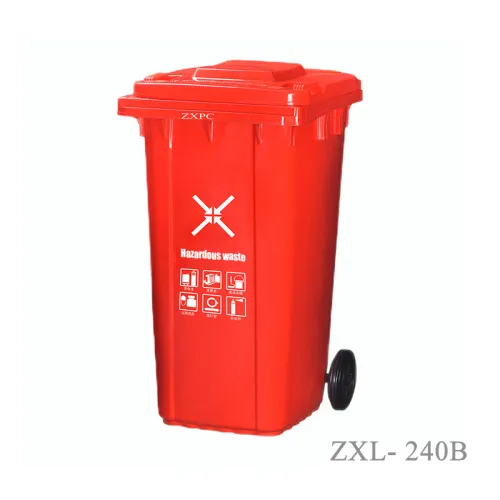
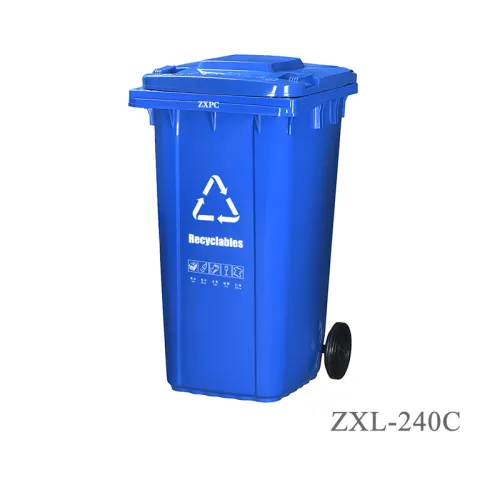
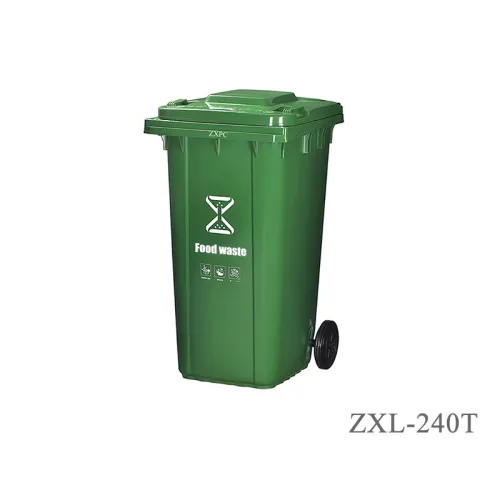
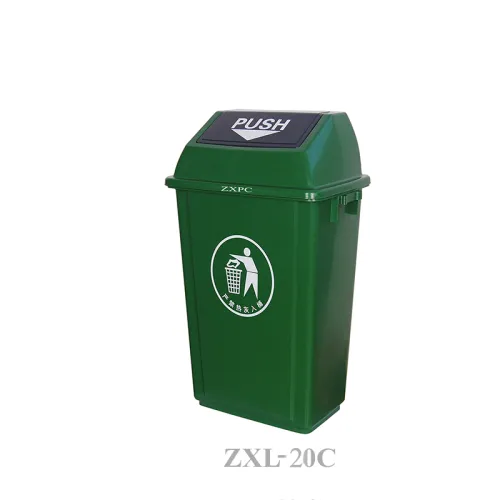
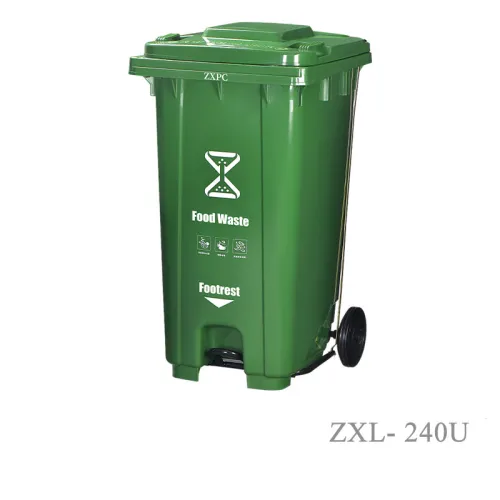
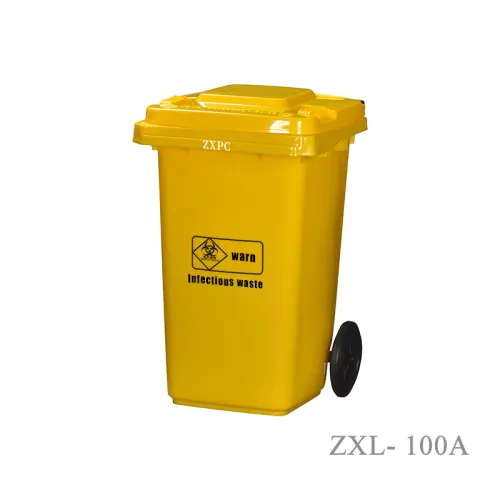
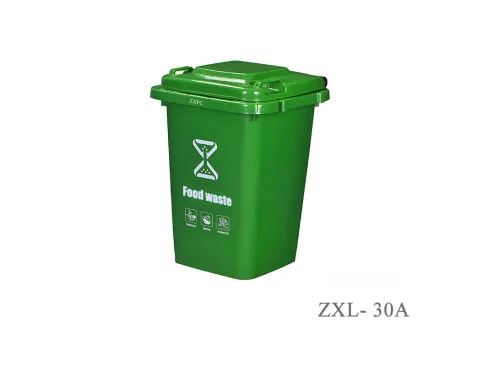
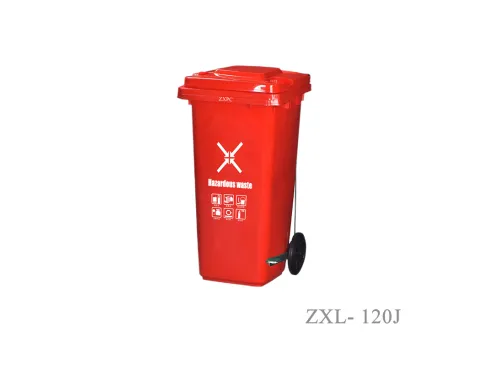
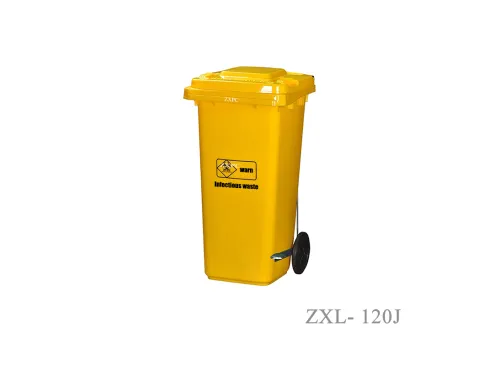
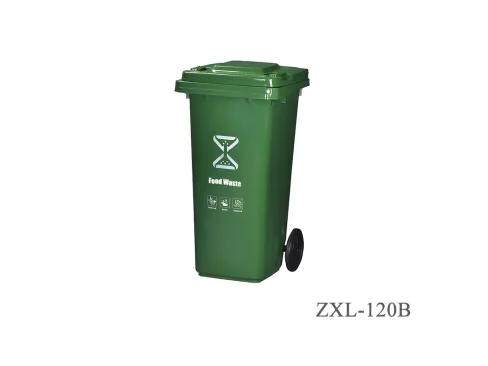
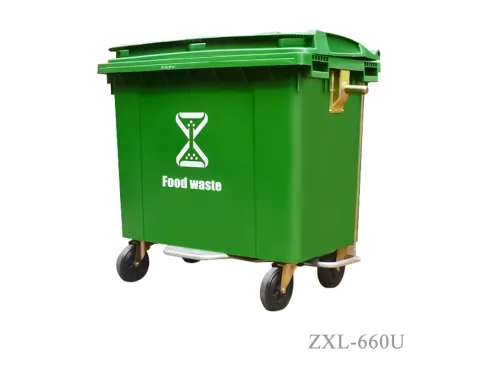
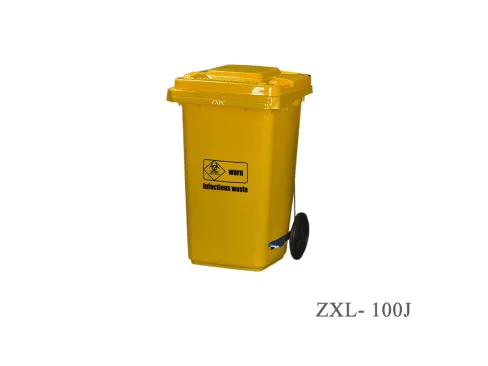
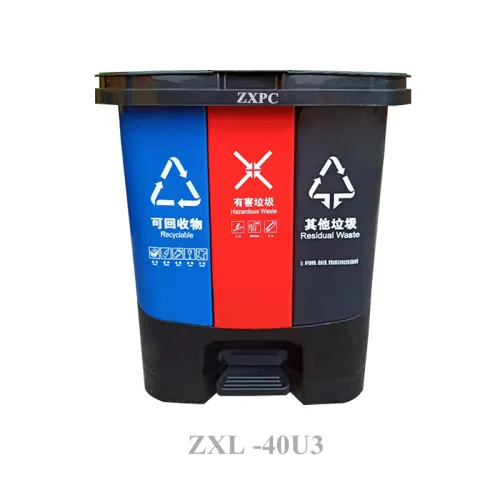
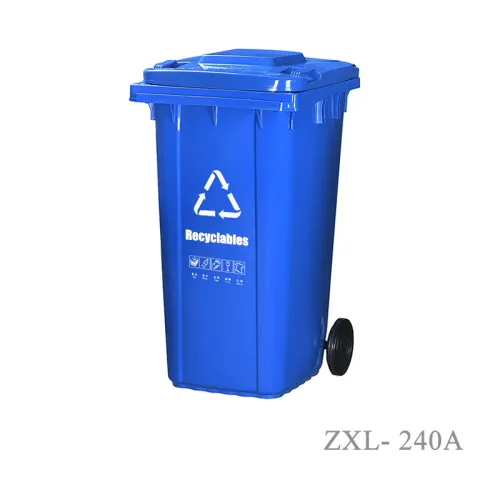
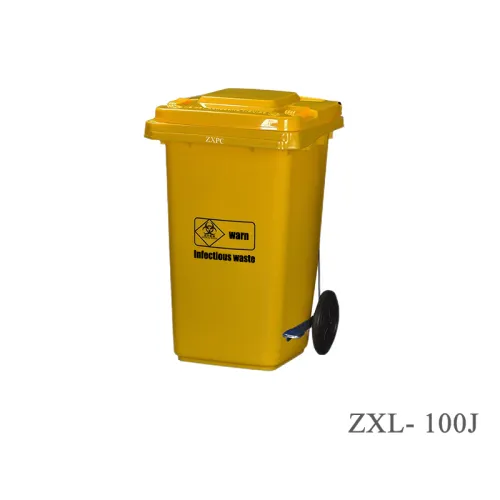
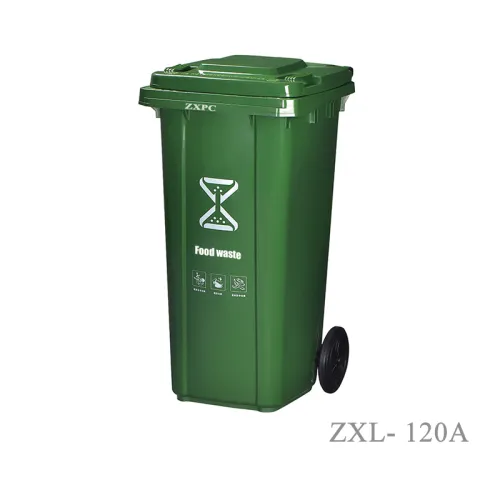
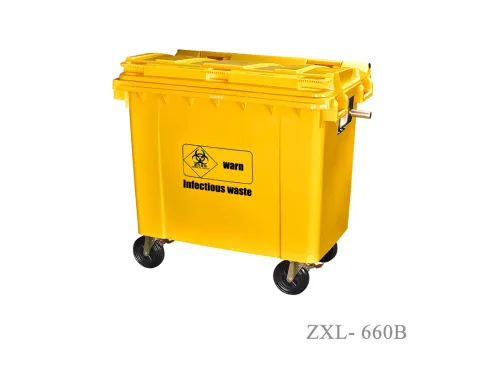
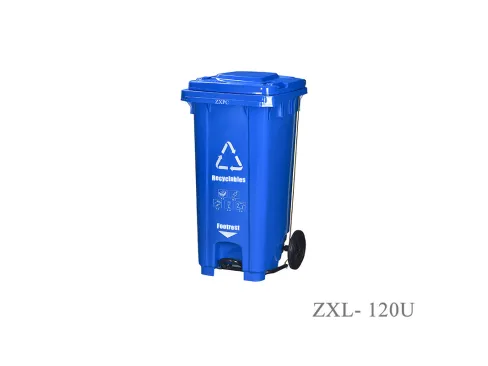
30l outdoor bins are suitable for low-traffic areas, while 50L bins handle increased waste volumes. Parks and campuses with larger foot traffic benefit from the greater capacity of 50L bins, as they require fewer emptying trips.
| Feature | 30L Bin | 50L Bin |
|---|---|---|
| Dimensions | Compact, easy to place | Larger footprint, requires more space |
| Weight Capacity | Holds around 30 liters of waste | Holds up to 50 liters of waste |
| Material | Durable plastic, weather-resistant | Durable plastic, possibly metal frame for strength |
| Ease of Maintenance | Lightweight, easy to service | Heavier, may require more effort to manage |
Users report that both bins exhibit excellent stability in varying weather conditions. However, the larger 50L bins may experience a slight wobble in high winds unless anchored properly. Battery-powered features, when present, tend to last longer in the 50L bins due to their larger size accommodating better battery systems.
Maintaining 30L bins is generally simpler due to their smaller size and lighter weight. In contrast, 50L bins require more effort when it comes to cleaning and emptying. Users have found it more challenging to maneuver the larger bins but appreciate the larger waste capacity.
30L outdoor bins are perfect for small parks, community gardens, or campus corners with minimal pedestrian traffic. They provide a practical solution for areas where waste generation is relatively low.
50L bins are best suited for schools, sports fields, or larger parks where waste production is significant. They are ideal for high-traffic environments, ensuring that waste does not accumulate excessively.
In conclusion, when considering 30L outdoor bins versus 50L bins for parks and campuses, it's vital to evaluate specific needs based on foot traffic and local waste-production patterns. ZXPC offers high-quality options to meet these varied requirements, ensuring efficient waste management across different public spaces.