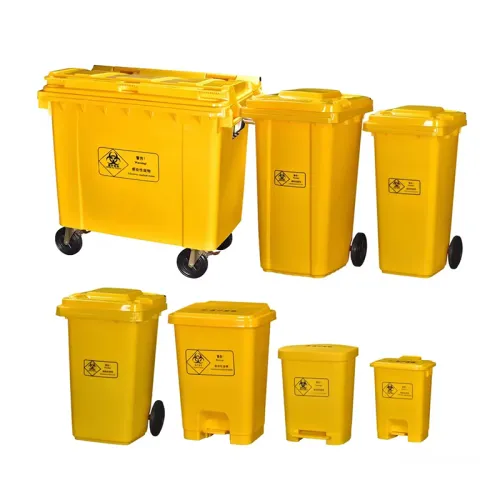
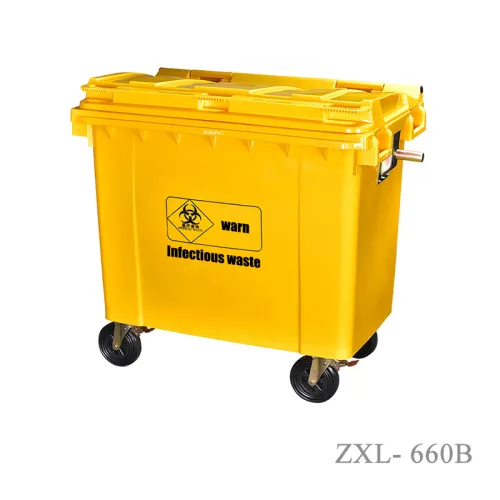
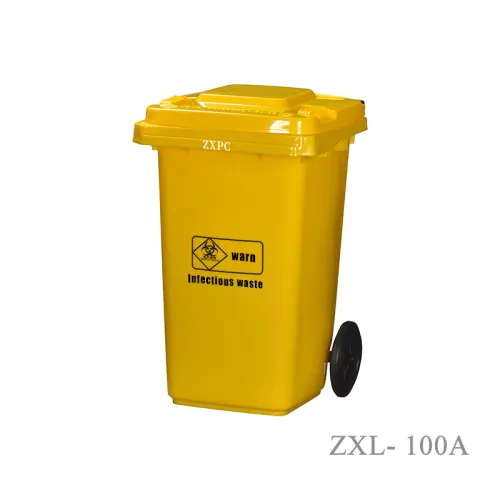
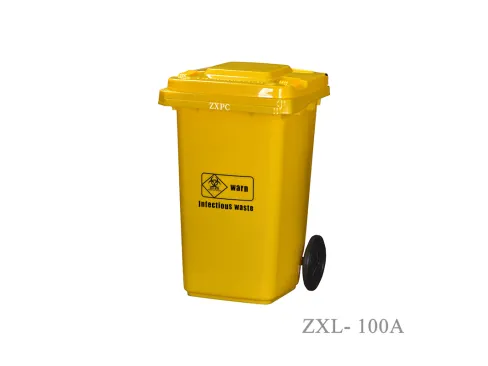
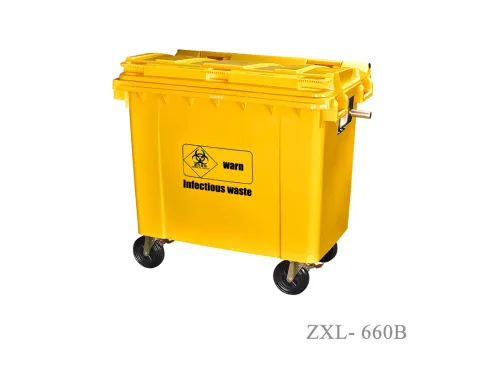
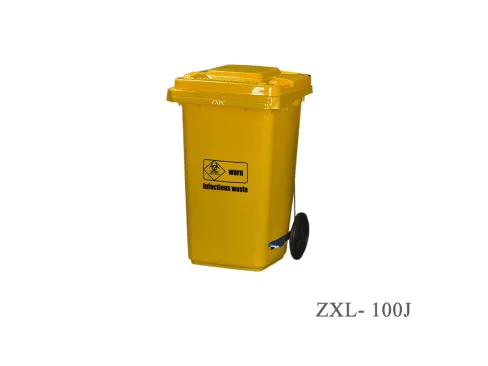
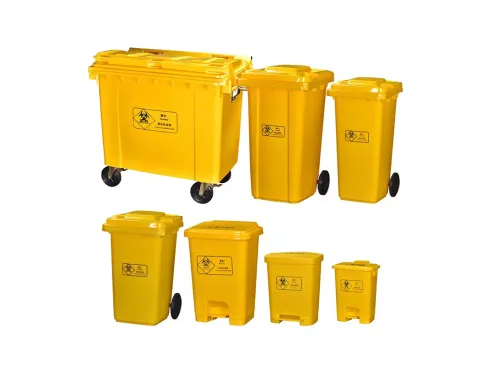
Proper disposal of medical waste is critical for safety and environmental concerns. medical waste containers must meet specific standards to ensure they effectively contain hazardous materials and prevent contamination. Many healthcare facilities face challenges such as inadequate storage and compliance with disposal regulations. By understanding the types of medical waste containers available and selecting the right ones, healthcare providers can enhance safety and ensure regulatory compliance, leading to a healthier environment for patients and staff.
Identifying the right type of medical waste container is crucial. Common types include sharps containers, biohazard bags, and rigid containers. Each serves a specific purpose, ensuring safe temporary storage:
Why this matters:
Compliance with local regulations is not just a legal requirement but also a best practice. Each state may have different rules regarding the storage and disposal of medical waste.
How to do it: Review your local health department’s guidelines, including any mandates for container labeling and color-coding. Regularly train staff on these regulations to ensure ongoing compliance.
Who it suits: Any healthcare facility must adhere to state regulations, including hospitals, clinics, and laboratories.
Choosing the appropriate size of medical waste containers is essential for efficiency.
Why size matters: Properly sized containers minimize overfilling, reducing the risk of spills and contamination.
How to choose: Assess your facility’s volume of medical waste generation. For instance, high-volume areas such as emergency departments may require larger containers, whereas outpatient clinics might use smaller sizes.
Who it suits: Facilities with varying waste generation levels, particularly those with fluctuating patient volumes.
Quality medical waste containers can save money and promote safety.
Why quality matters: Durable containers made from puncture-resistant materials can prevent leaks, reduce risk, and withstand the demands of a healthcare environment.
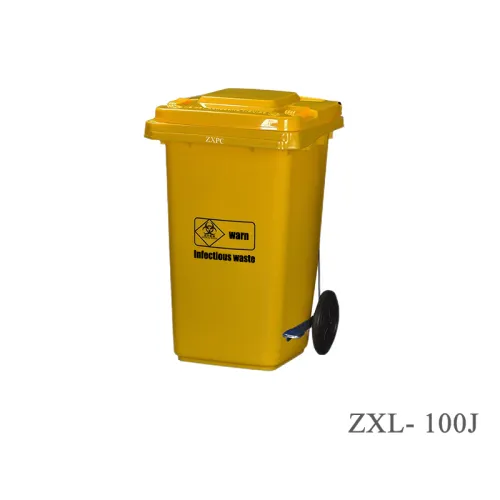
How to evaluate: Look for containers tested for puncture and impact resistance. Brands like ZXPC offer robust options that meet stringent safety standards.
Who it suits: Facilities looking to minimize risks and ensure long-term cost-effectiveness in waste management.
A cohesive waste management strategy is paramount.
Why strategy matters: An organized approach ensures that waste is handled promptly and correctly, reducing the risk of exposure.
How to implement: Develop protocols for waste segregation, container replacement schedules, and staff training to ensure effective waste handling. Regular audits can help identify areas for improvement.
Who it suits: All healthcare providers aiming for compliance and safety.
When selecting medical waste containers for temporary storage, remember to:
By following these tips, healthcare providers can significantly enhance their waste management practices, ensuring safety and compliance in their facilities.