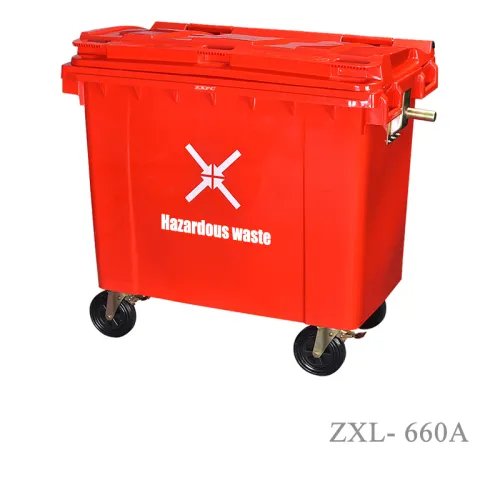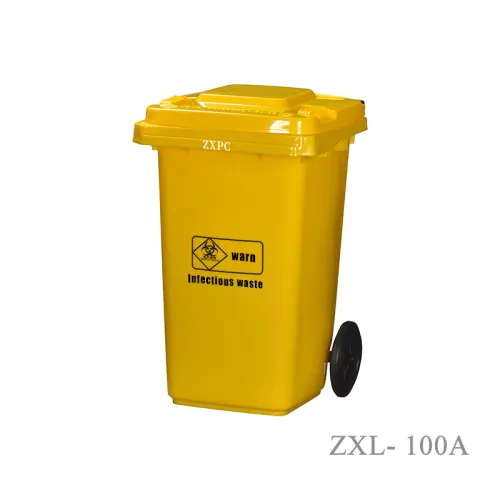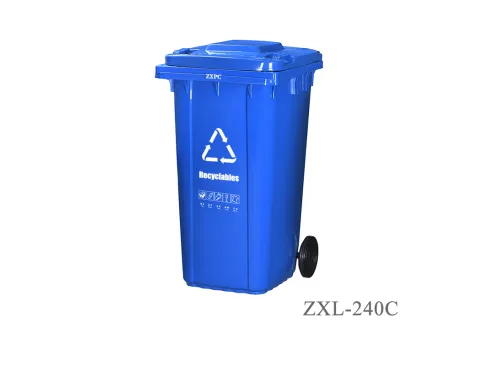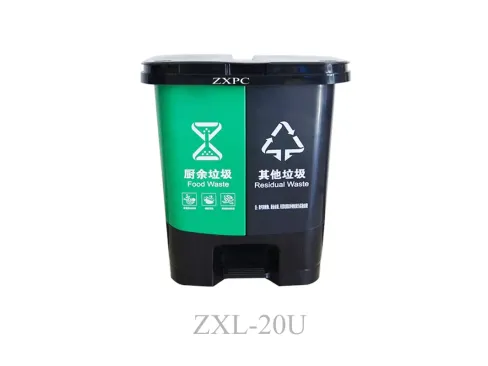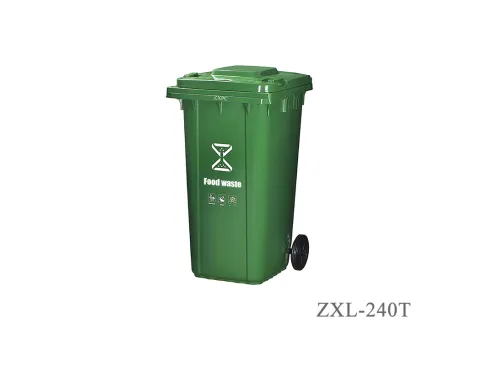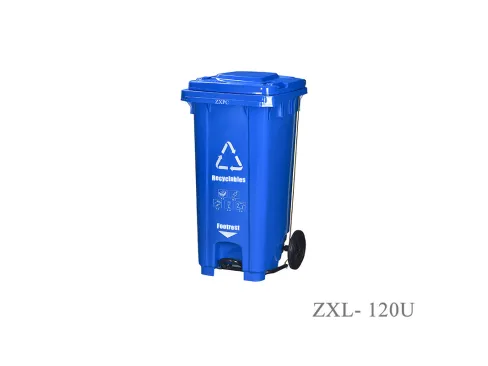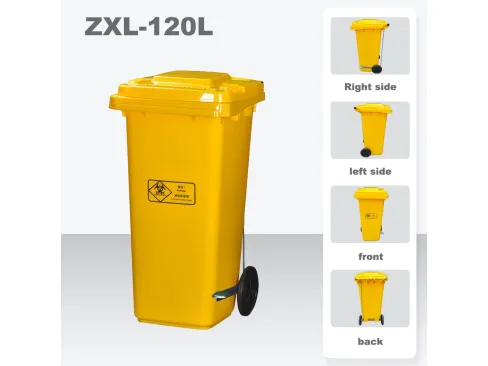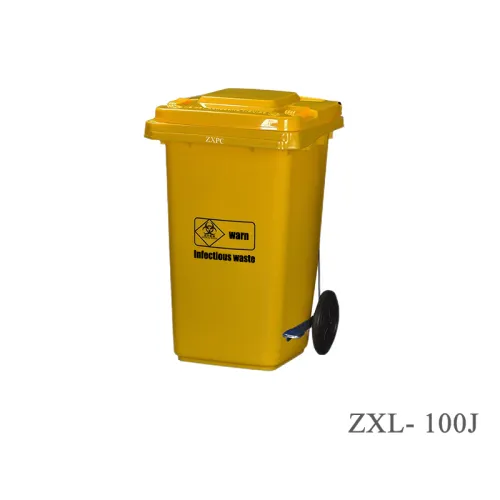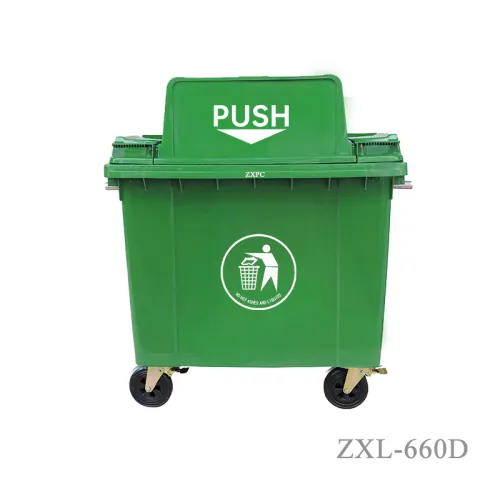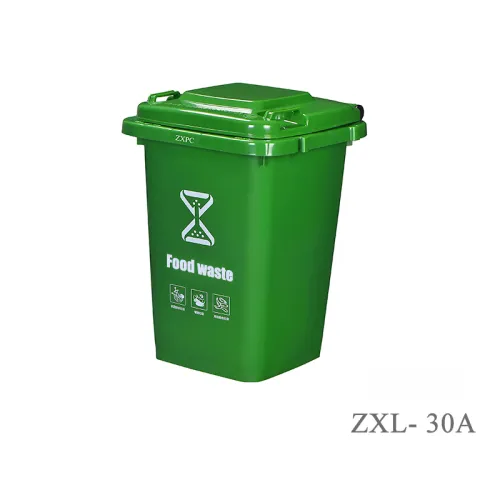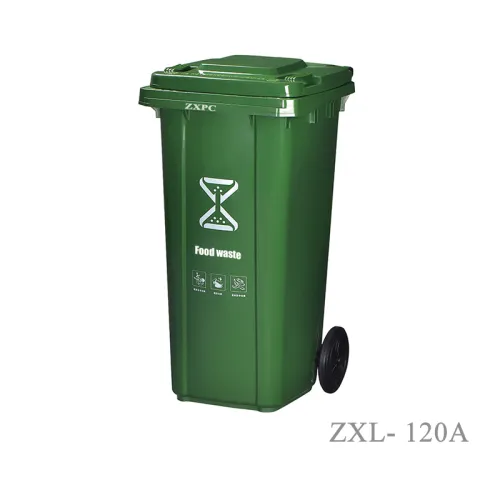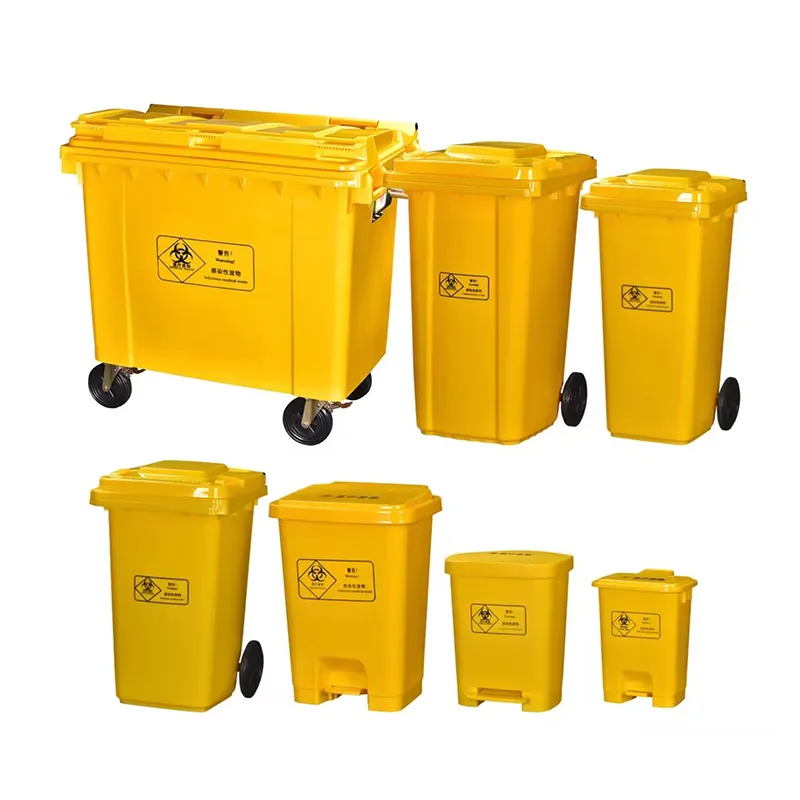
A clinical waste bin is specifically designed for the disposal of waste that poses a risk to health and safety. It is primarily used in medical facilities to manage hazardous materials safely. This waste includes sharps, infected materials, and other biohazardous items that require special handling and disposal methods to prevent contamination and infection.
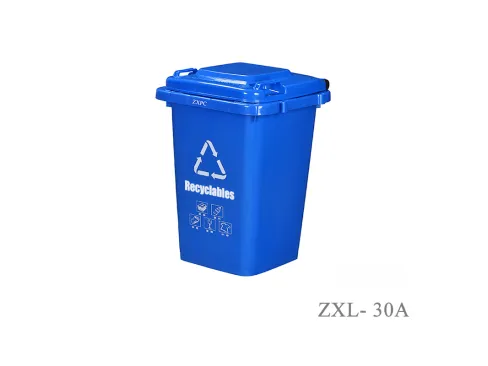
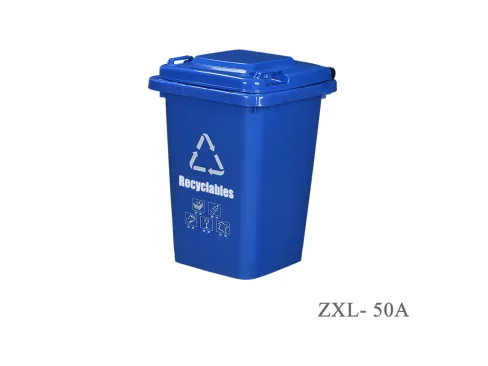
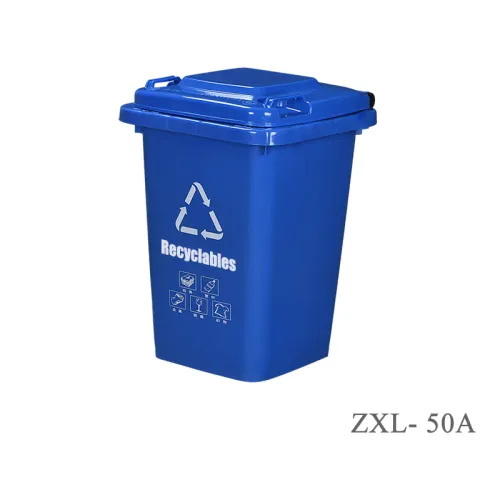
Medical waste bins are intended for general medical waste, which does not necessarily pose the same risk level as clinical waste. They are commonly used in healthcare settings to collect non-hazardous waste like bandages, gloves, and other materials that require proper disposal but do not pose a significant threat to human health.
| Parameter | Clinical Waste Bin | Medical Waste Bin |
|---|---|---|
| Usage Type | Hazardous waste | Non-hazardous waste |
| Material | Durable and leak-proof | Standard plastic |
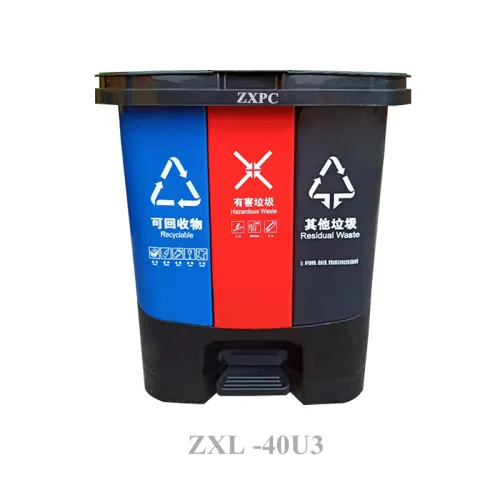
| Color Code | Red and yellow | Blue or black |
| Health Risk Level | High | Low |
When comparing performance, factors like stability, ease of handling, and longevity are crucial in both clinical and medical waste bins. Clinical waste bins tend to be heavier and more robust to support hazardous materials, while medical waste bins are often lighter, making them easier to maneuver in a fast-paced healthcare environment.
Although bins don't have battery life like electronic devices, their longevity depends largely on the material quality and daily handling. Regular inspections and maintenance are required for both, but clinical waste bins typically need more stringent checks due to their hazardous content.
Advantages:
Disadvantages:
Advantages:
Disadvantages:
Healthcare facilities, such as hospitals and clinics, dealing with hazardous materials should opt for clinical waste bins to ensure safe disposal and minimize health risks. Industry professionals responsible for managing hazardous waste are recommended to use bins like those provided by ZXPC, ensuring compliance and safety.
Non-critical care environments, such as outpatient facilities and general office healthcare setups, may utilize medical waste bins. Organizations looking for cost-effective and general waste management solutions will find these bins suitable for their needs.
In conclusion, understanding the differences and applications of clinical and medical waste bins is essential for effective waste management in healthcare settings. For more safe and sustainable waste solutions, consider our products at ZXPC.