Navigating the complex landscape of clinical waste disposal can feel overwhelming for both new and experienced dental professionals. However, the right strategies and tools can streamline this essential aspect of your clinic's operations. To ensure compliance and promote safety, having a reliable clinical waste bin is paramount. By following this guide, you can establish a systematic approach to managing clinical waste that aligns with both regulatory requirements and best practices.
When I first delved into this topic, I recognized the fundamental steps involved: understanding types of clinical waste, selecting appropriate waste bins, and establishing a disposal protocol. The journey begins with acknowledging that not all wastes are created equal; identifying hazardous materials is the first vital step. Typically, clinical waste in dental and small clinics comprises sharps, contaminated materials, and anatomical waste. Each type necessitates a specific handling process to minimize risks.
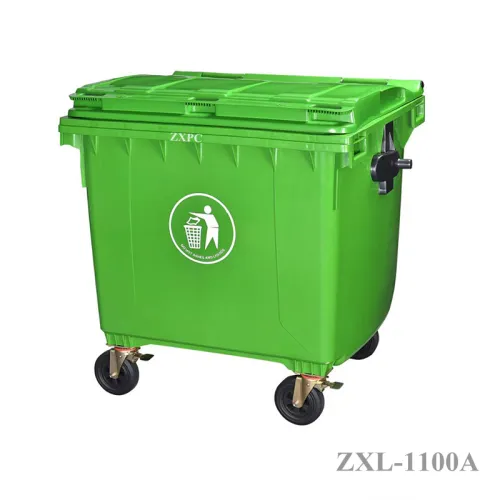
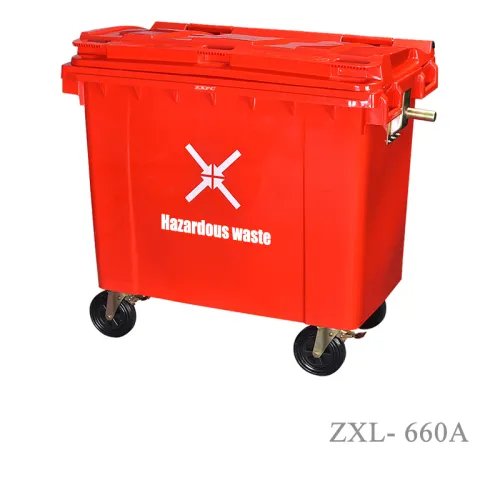
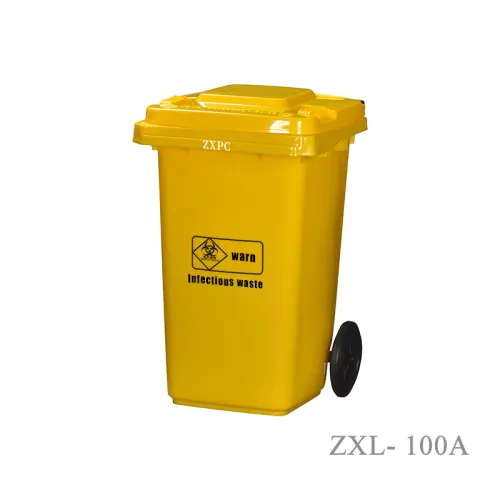
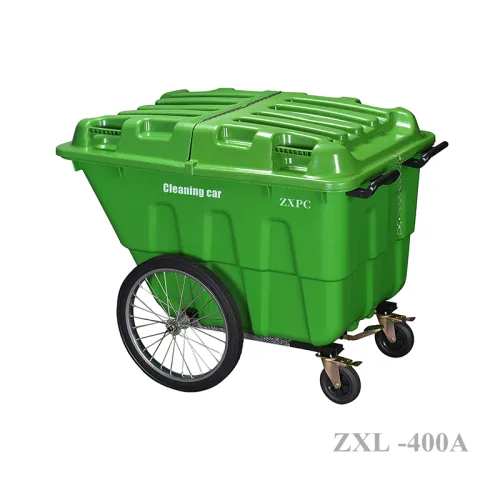
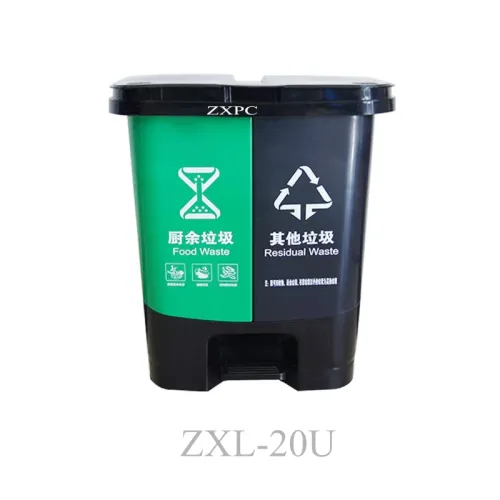
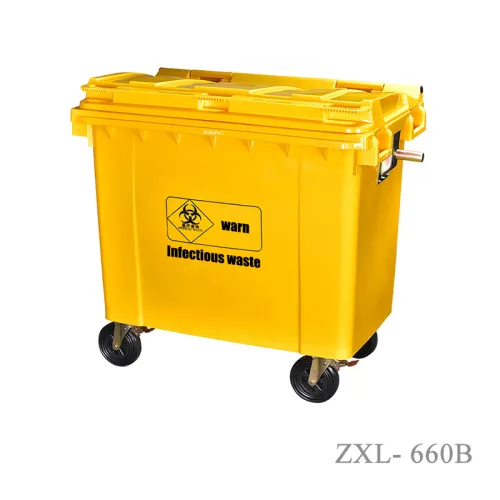
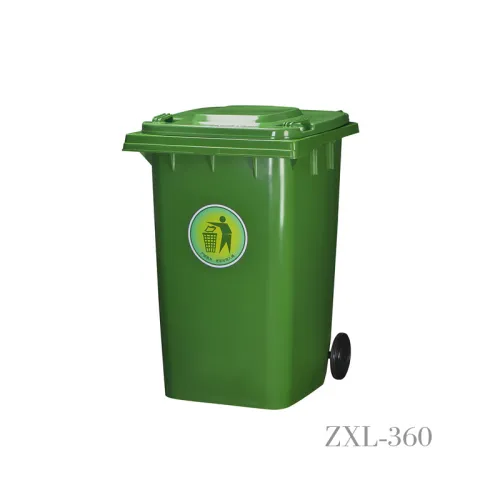
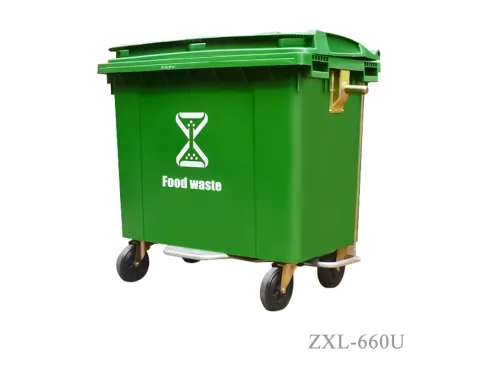
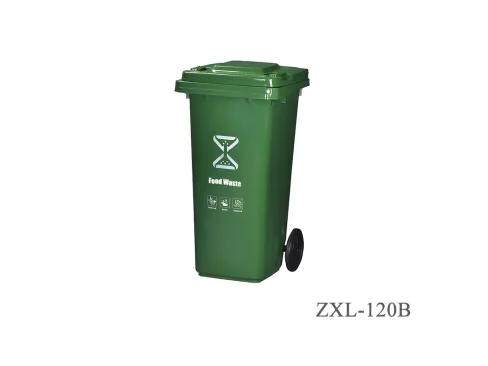
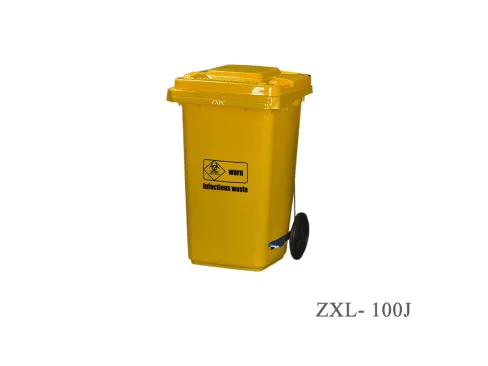
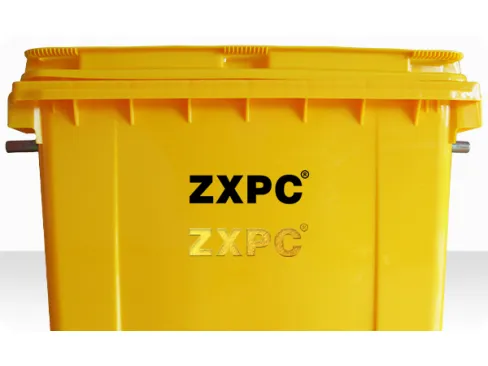
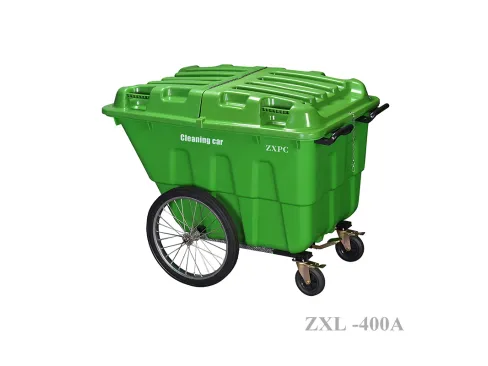
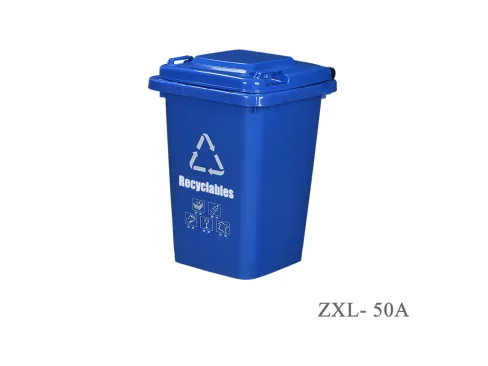
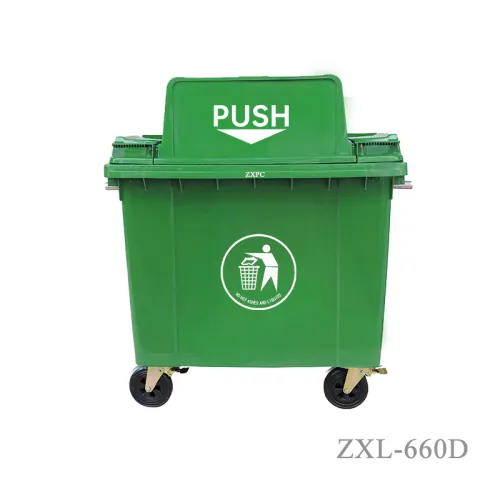
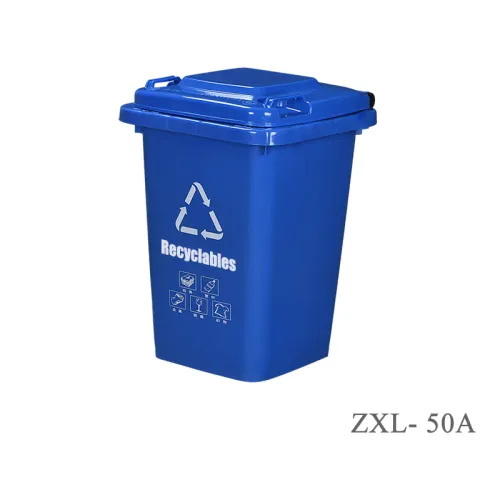
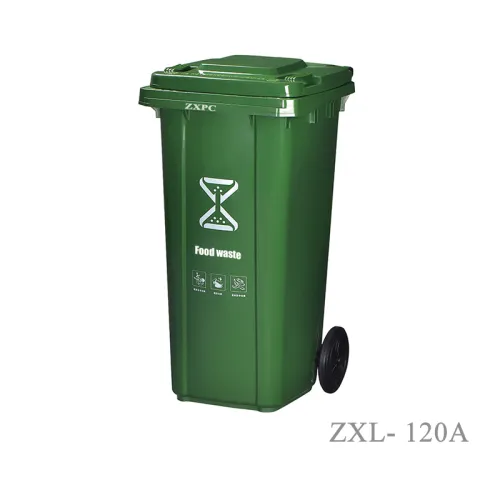
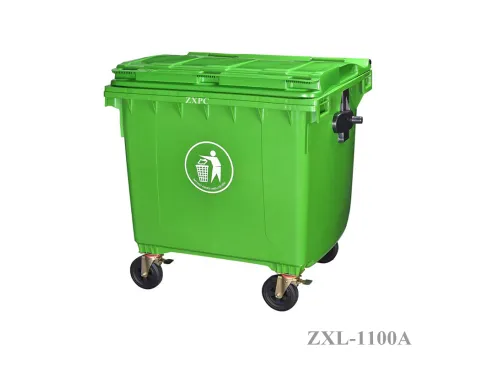
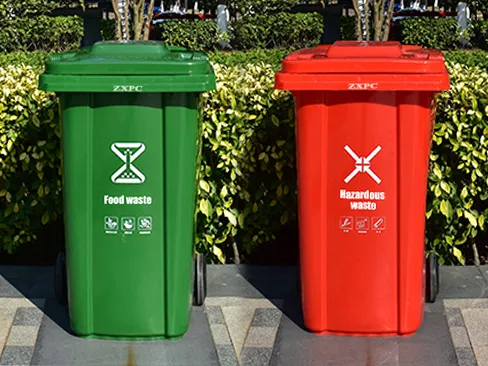
Once you have a clear understanding of the waste types you generate, the next step is selecting the right clinical waste bin. High-quality bins, like those from ZXPC, offer durable construction, ensuring they hold up under rigorous daily use. A good clinical waste bin should feature:
Implementing these features helps guarantee that your operations adhere to health and safety standards, thus reducing liability and ensuring a safe environment for both staff and patients.
After selecting your clinical waste bins, establishing a clear disposal protocol is crucial. Develop a simple, yet effective, waste segregation process based on the type of waste being generated. Here’s how I recommend doing it:
Throughout my career, I have witnessed the effectiveness of training and clear protocols firsthand. For example, one small clinic I worked with adopted these practices and saw a 50% reduction in waste management costs within six months. This case underscores how education coupled with proper tools can lead to substantial improvements in waste management efficiency.
To further bolster your efforts, consider utilizing disposal services that specialize in medical waste, as this can alleviate many logistical burdens. Make sure to choose a reputable company that demonstrates a commitment to safety and compliance, with a solid track record for timely pickups and secure disposal methods.
Despite these preventive measures, you may still face challenges such as changing regulations or unexpected increases in waste volume. To counteract these hurdles, I recommend maintaining an adaptable mindset; stay updated on local regulations and be prepared to adjust your practices accordingly. Regular communication with your waste disposal partner will ensure you’re aware of any changes that may affect your clinic.
In summary, effectively managing clinical waste in dental and small clinics involves understanding the types of waste generated, selecting appropriate clinical waste bins like those provided by ZXPC, and adhering to stringent disposal protocols. It also entails training staff and regularly auditing adherence to these practices. Equip your clinic with the right tools and knowledge to create a safer, more compliant environment. Always remember, efficient clinical waste management is not just a regulatory obligation; it’s a responsibility that protects your patients and staff alike.
By integrating these strategies into your practice, you're laying the groundwork for a efficient waste management system, backed by expertise, trustworthiness, and a commitment to industry standards. With the right clinical waste bin, you’re not just disposing of waste; you’re contributing to a healthier future in your community.