Essential Guide to 1100 Litre Wheelie Bins for Large Waste Collection Sites
When it comes to waste management at large collection sites, the choice of bins plays a pivotal role in ensuring efficiency and compliance with environmental regulations. This guide focuses on the 1100 litre wheelie bin, a popular choice for many commercial and industrial applications. With details on specifications, regulations, and maintenance, this resource aims to provide you with actionable insights into selecting, utilizing, and maintaining these bins effectively.
Understanding the 1100 Litre Wheelie Bin
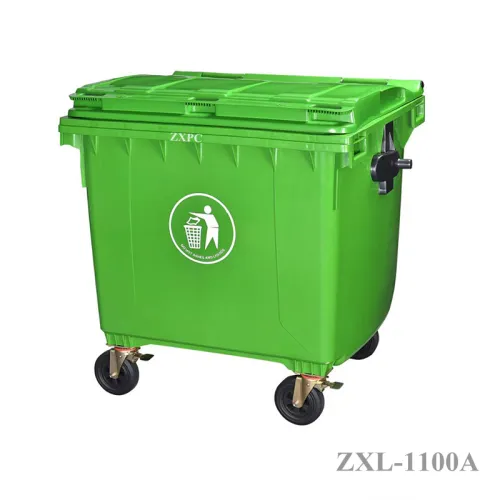
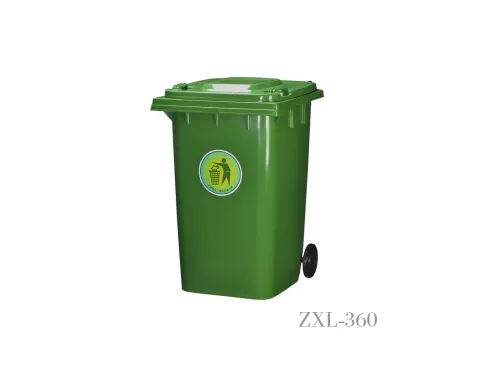
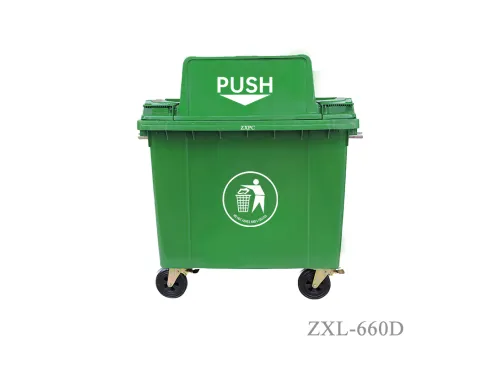
- Capacity and Dimensions: The 1100 litre wheelie bin generally measures approximately 1370mm (h) x 1210mm (w) x 780mm (d). Its large capacity is designed to accommodate significant waste volumes, making it ideal for high-traffic areas.
- Construction Quality: Typically made from high-density polyethylene (HDPE), these bins are UV resistant, ensuring durability and longevity. They undergo rigorous testing to meet EN840 European standards, which include load capacity and stability tests.
Choosing the Right Wheelie Bin for Your Site
- Selecting Material: For busy sites, consider options such as HDPE for outdoor use and metal bins for extra security against vandalism. Assess the bin’s material properties based on your environmental conditions.
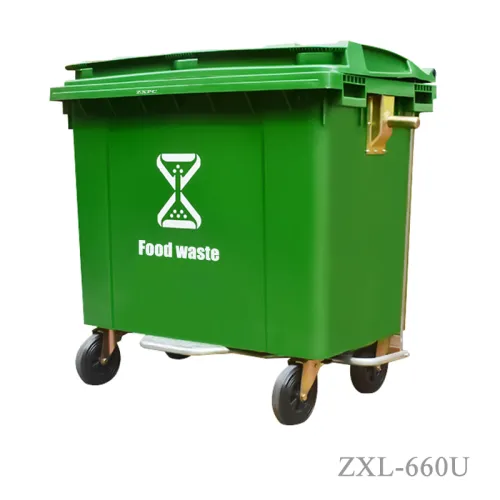
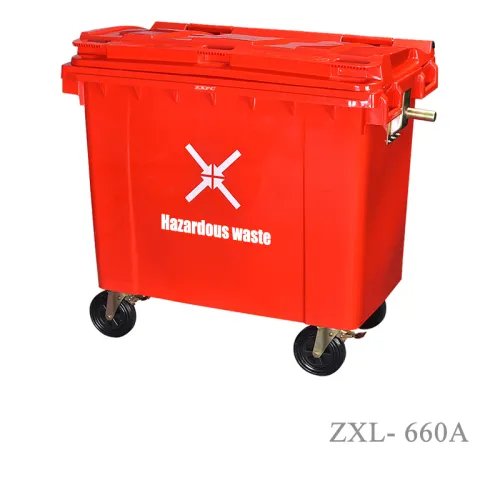
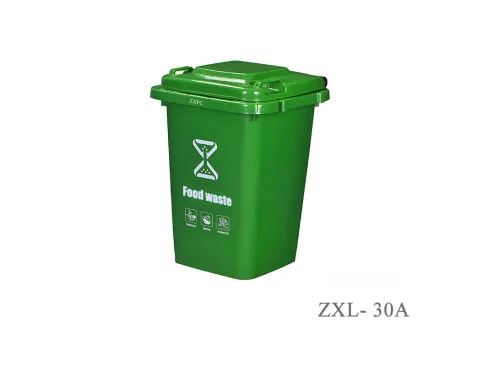
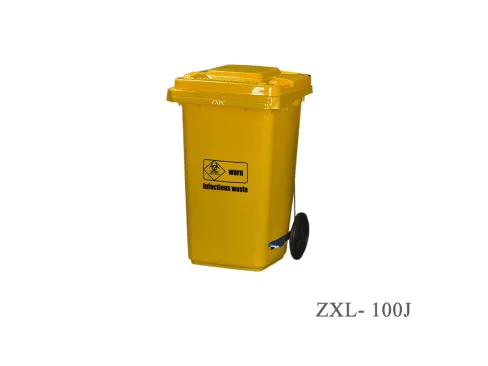
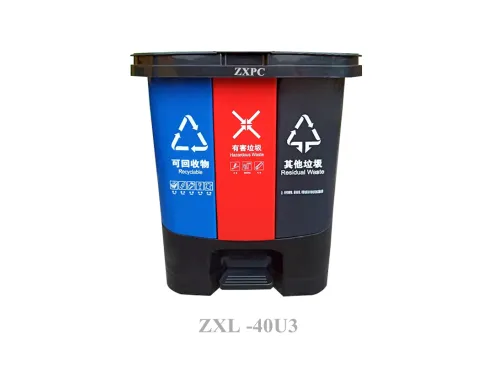
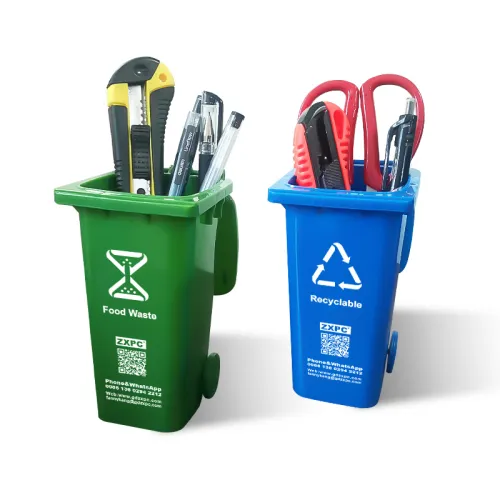
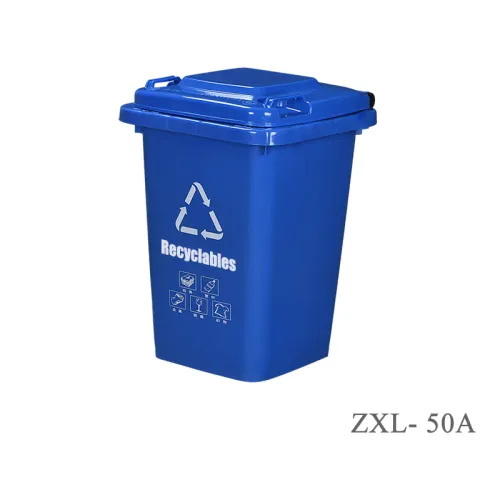
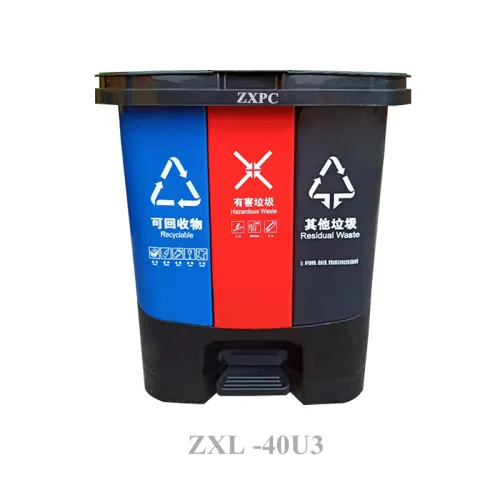
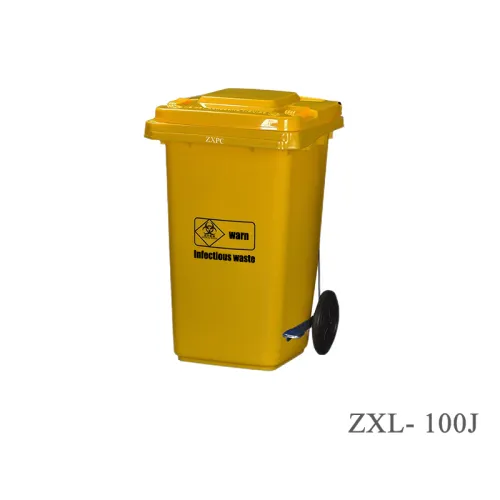
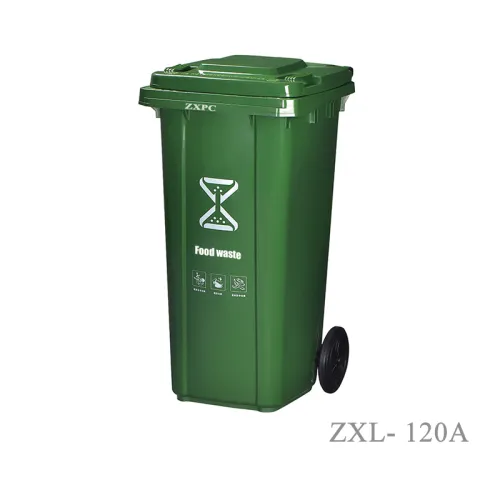
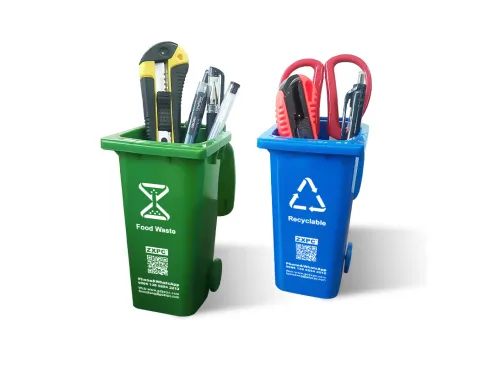
- Consider Waste Types: Different bins can be designated for recycling, food waste, or general refuse. Proper segregation aids in compliance with local waste management regulations and can improve recycling rates significantly.
- Compliance with Local Regulations: Verify compliance with local council regulations regarding waste collections to avoid potential fines. Reference the EPA guidelines for regulatory standards.
Implementing Efficient Waste Management Practices
- Placement Strategies: Position bins close to waste generation points, ensuring they are easily accessible while not obstructing pedestrian traffic. Utilize data analytics from previous waste collection data to optimize bin placement.
- Regular Maintenance Schedule: Establish a schedule for cleaning and inspecting bins to reduce odour and pests. Common inspection metrics include checking for wear and tear, securely fastening lids, and ensuring proper functioning wheels.
- Training for Staff: Educate site staff on proper waste disposal methods and the importance of segregating waste. Implementing workshops can help cultivate a culture of cleanliness and responsibility.
Cost Considerations and Budget Planning
- Initial Investment: The cost of an 1100 litre wheelie bin can range from $300 - $600 depending on material and design features. Budget for the entire lifecycle, which includes eventual replacement or refurbishment.
- Operational Cost Savings: By regularly maintaining the wheelie bins and optimizing collection schedules, you can significantly reduce operational costs associated with waste collection.
Monitoring and Reporting on Waste Management
- Implement Technology: Use waste monitoring sensors that can alert when bins are nearing full capacity. This data can be reviewed regularly to adjust collection times and improve operational efficiency.
- Reporting Mechanisms: Set up quarterly reports to track waste disposal volumes and any compliance issues. Share these reports with all stakeholders to maintain transparency.
Environmental Impact and Sustainability Efforts
- Recycling and Sustainability: Encourage recycling by clearly labeling bin types. In 2023, over 35% of waste was diverted from landfills through proper recycling practices. Reference specific local statistics to instill community responsibility.
- Partnerships for Disposal: Collaborate with local waste management agencies for responsible disposal practices, ensuring that recycling processes align with sustainability goals.
Common Challenges in Waste Management
- Contamination Issues: Address issues of contamination in recycling bins by providing clear signage. Studies show proper labeling can reduce cross-contamination by up to 25%.
- Vandalism and Theft: Consider secure placements, such as lockable bins, when necessary in high-risk areas to protect assets and ensure proper waste management.
Emerging Trends in Waste Management
- Smart Waste Solutions: With advancements in technology, smart bins equipped with sensors to monitor waste levels are becoming increasingly popular, promising operational savings and enhanced collection efficiency.
- Community Involvement: Foster programs that encourage community participation in waste recycling, like reward systems for returning recyclables.
Conclusion
By effectively managing waste with the right practices and designated 1100 litre wheelie bins, large collection sites can ensure compliance and sustainability while minimizing overall costs. Investing in quality bins and regular maintenance fosters a cleaner environment. For additional resources, consider exploring further on suppliers like ZXPC and review comprehensive specifications [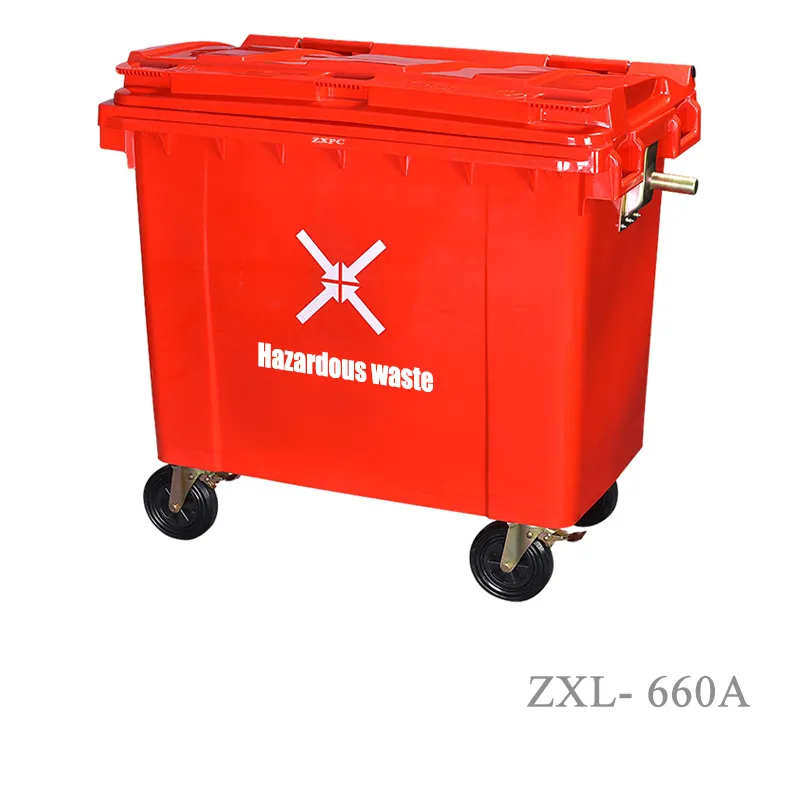 ].