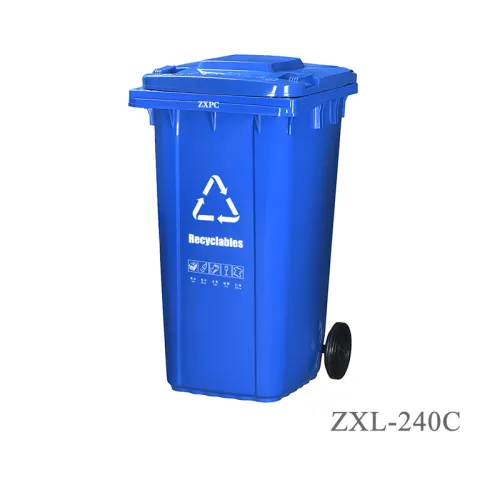
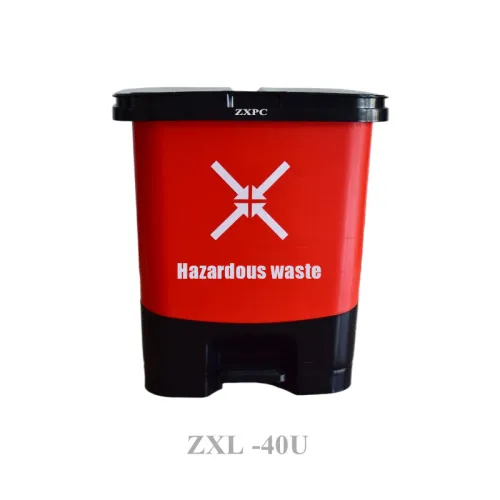
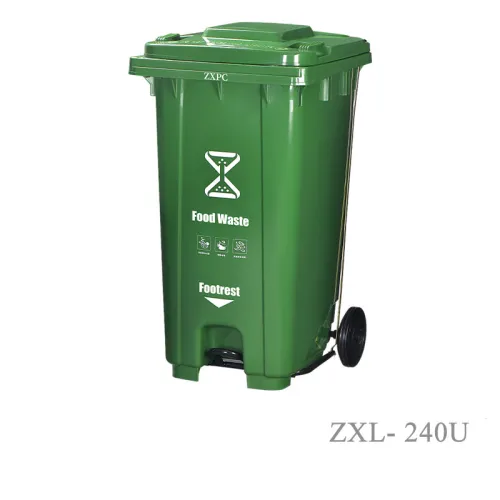
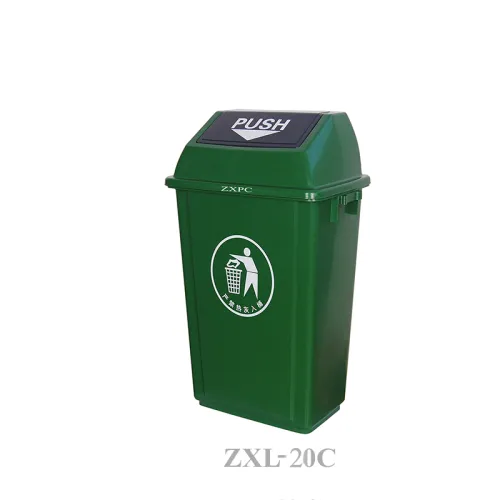
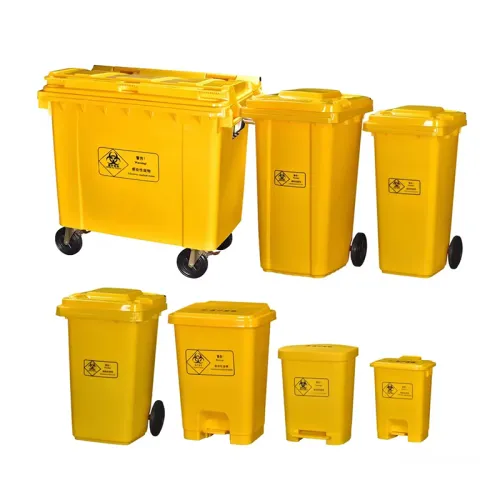
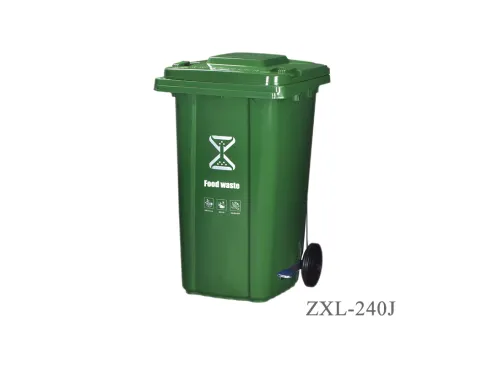
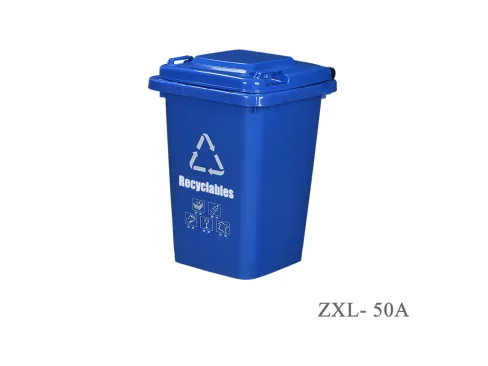
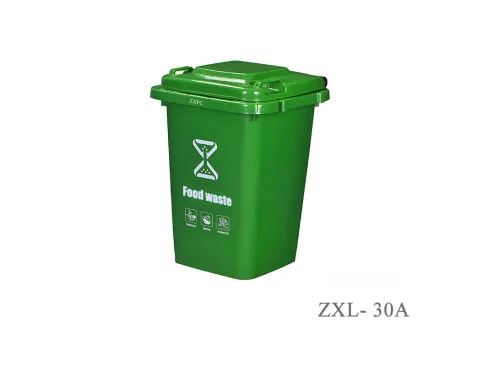
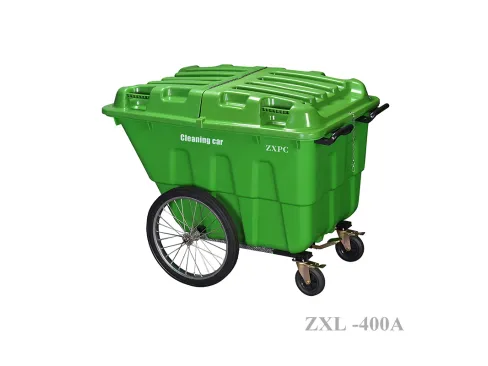
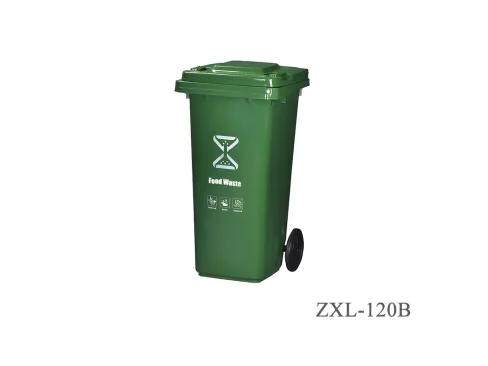
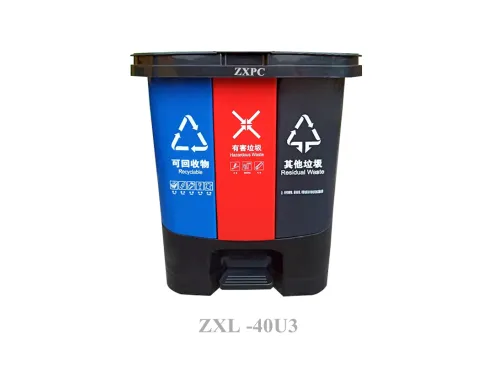
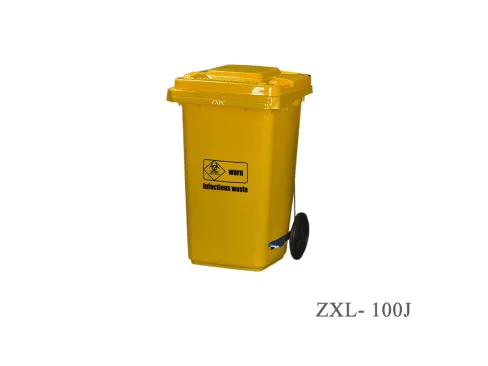
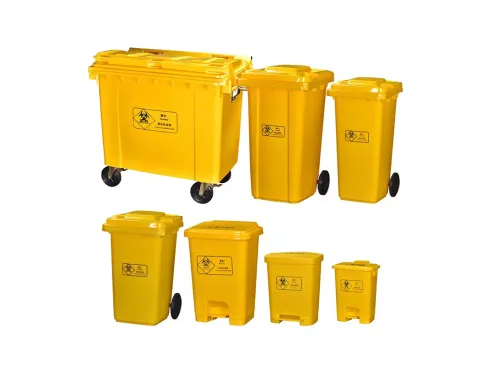
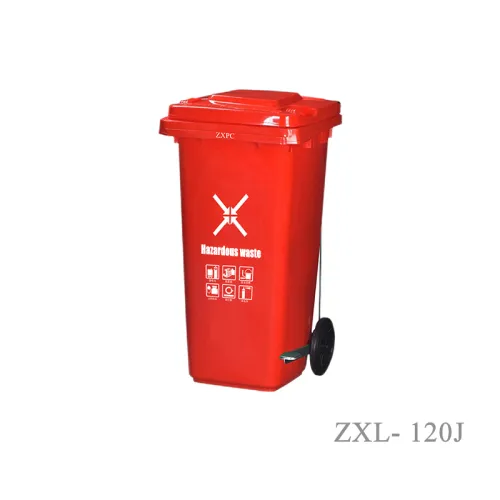
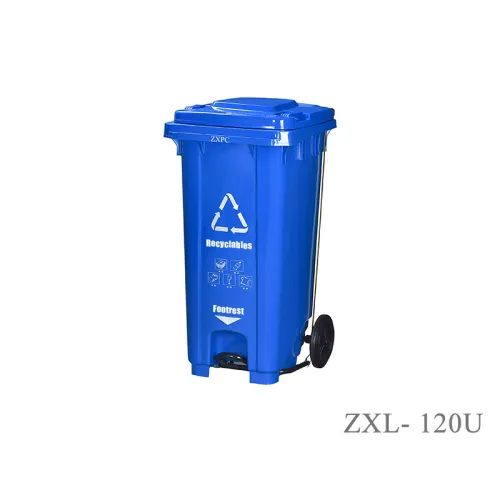
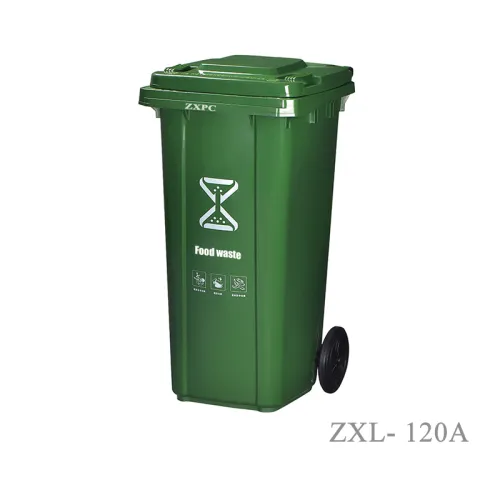
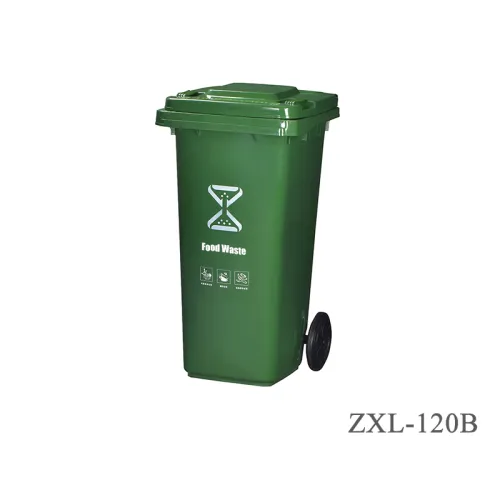
Outdoor medical Trash Can placement is a critical aspect of clinical waste management that directly impacts public safety and environmental cleanliness. Inadequate placement results in increased litter, hazardous exposure, and compliance issues for clinics. To ensure effective waste disposal, clinics must implement strategic placement of outdoor medical trash cans such as those offered by ZXPC. By focusing on pain points such as improper waste disposal and unsanitary conditions, this article presents actionable solutions that can enhance the safety and efficiency of clinics.
Why: High-traffic areas often generate more waste that needs immediate disposal.
Operation Method: Analyze foot traffic patterns around your clinic, noting peak times and locations where waste accumulates. Place outdoor medical trash cans in these hotspots. Ideal locations include near entrances, exits, and waiting areas. This approach ensures that waste is disposed of promptly, reducing litter and enhancing the facility's aesthetic appeal.
Why: Accessible trash cans promote better waste disposal practices.
Operation Method: Position trash cans within 10 to 15 feet of commonly used paths or stations within the clinic, such as hand sanitization stations and entrances. Ensure the cans are clearly visible and easy to approach. This encourages proper disposal and minimizes the risk of hazardous materials being left unattended.
Why: Clear instructions reduce confusion and promote compliance.
Operation Method: Implement signage that clearly indicates the purpose of the trash can, utilizing simple text and icons that denote acceptable waste types, such as biohazardous materials. This can significantly guide users, ensuring that clinical waste is disposed of correctly and reduces potential contamination leading to health hazards.
Why: Regular checks prevent overflow, maintaining cleanliness.
Operation Method: Establish a maintenance schedule that aligns with clinic hours and peak waste generation times. Staff should be trained to monitor and empty the outdoor medical trash cans regularly. For example, conducting checks twice a day during peak times can ensure that cans are never overflowing, thus adhering to health guidelines and preventing unsanitary conditions.
Why: Education promotes responsible waste management practices.
Operation Method: Hold periodic training sessions for staff and use informational materials for patients that explain the importance of proper waste disposal. Include details about the types of waste that should be disposed of in outdoor medical trash cans. For instance, training sessions can improve staff compliance and create a culture of safety in waste handling.
Why: High-quality cans can improve durability and reduce contamination.
Operation Method: Invest in outdoor medical trash cans designed for specific healthcare waste types. ZXPC offers several models tailored for different waste streams, including sharp containers and biohazard waste bins. Select cans that meet local regulations to ensure proper handling and disposal of medical waste, reducing legal risks.
Strategic placement of outdoor medical trash cans is essential for maintaining safety and hygiene in healthcare settings. By assessing high-traffic areas, ensuring accessibility, utilizing signage, scheduling regular maintenance, educating users, and choosing high-quality trash cans, clinics can significantly improve waste management practices. Implementing these practices not only enhances compliance with health regulations but also fosters a cleaner, safer environment for both patients and staff.