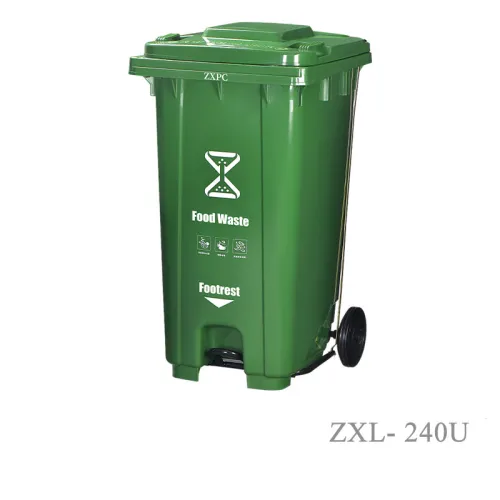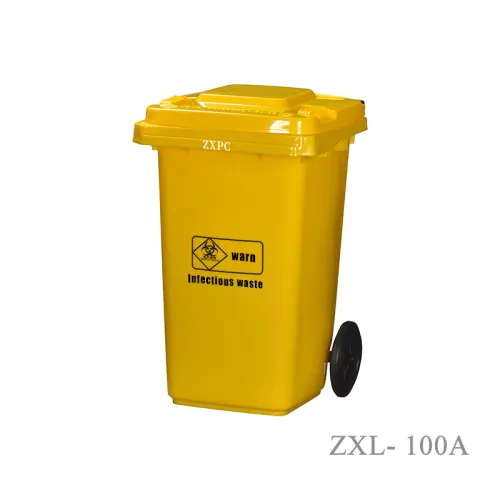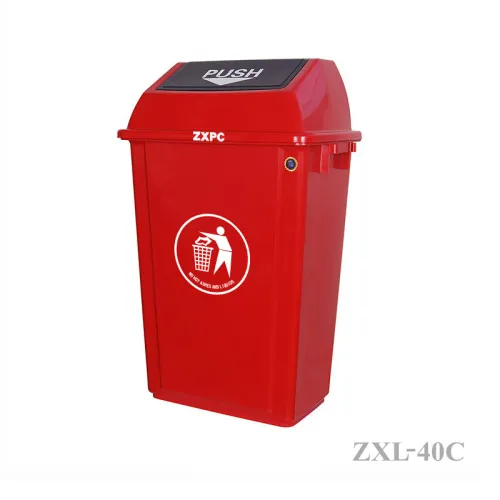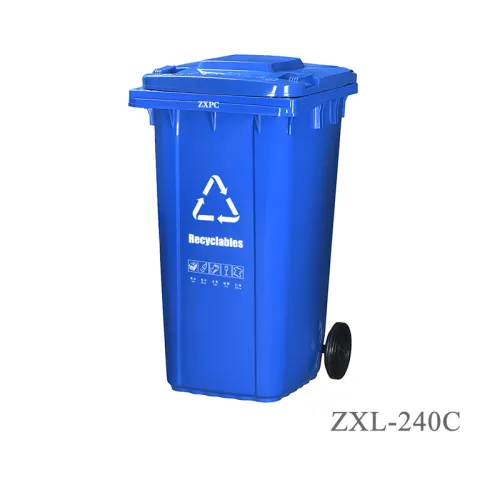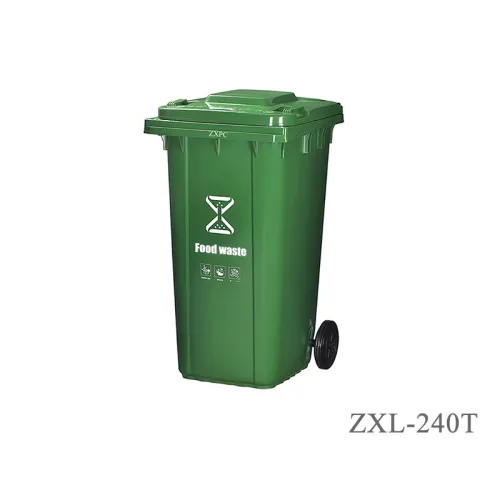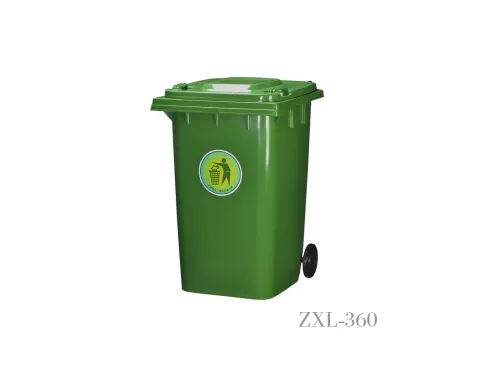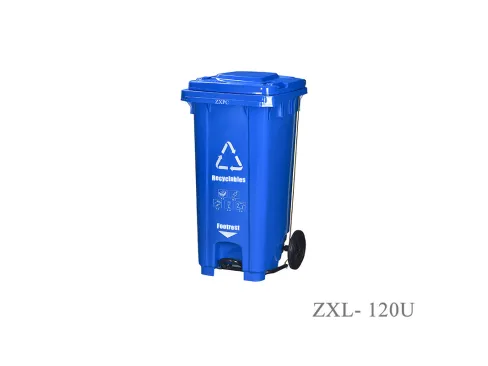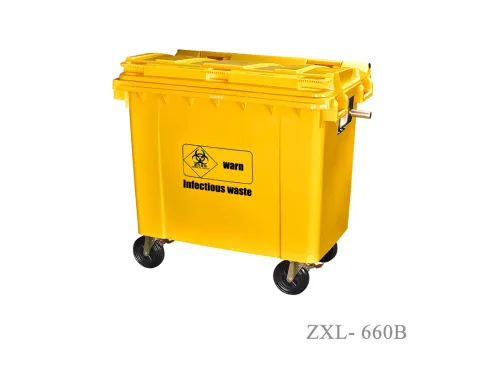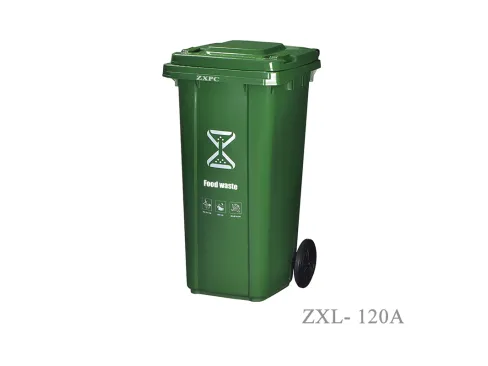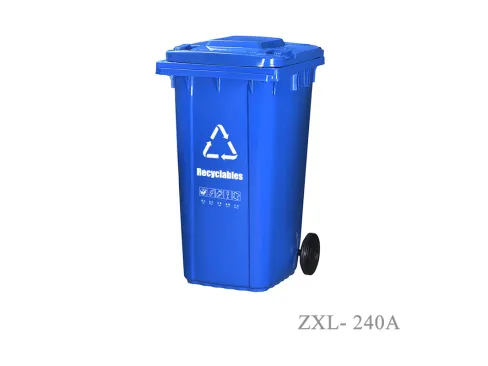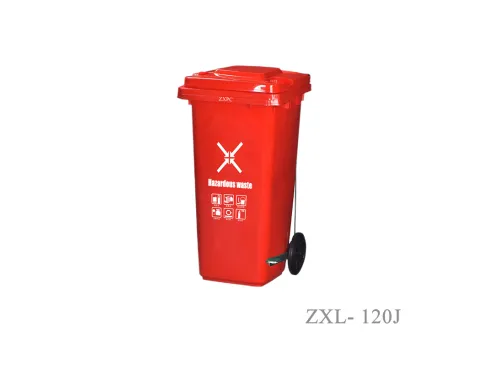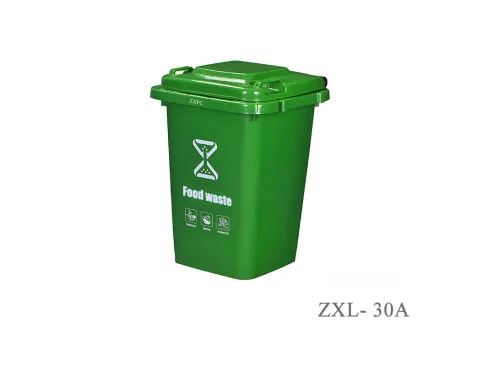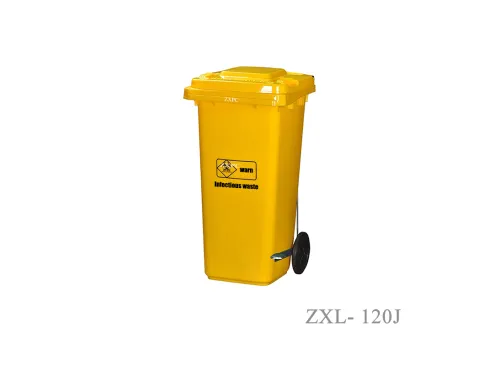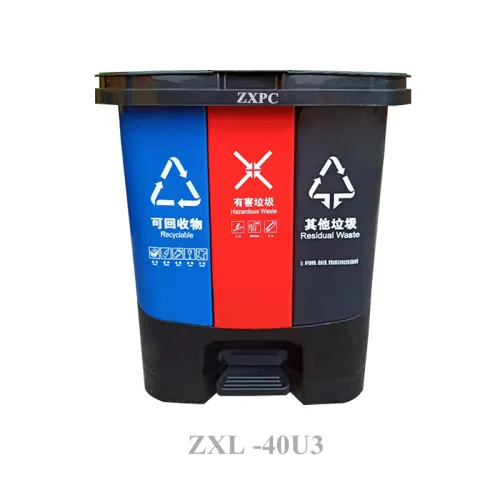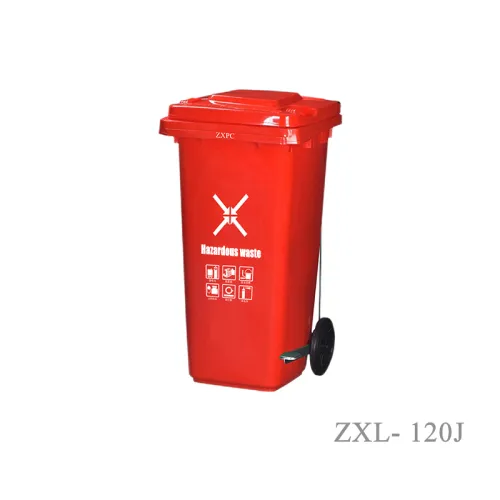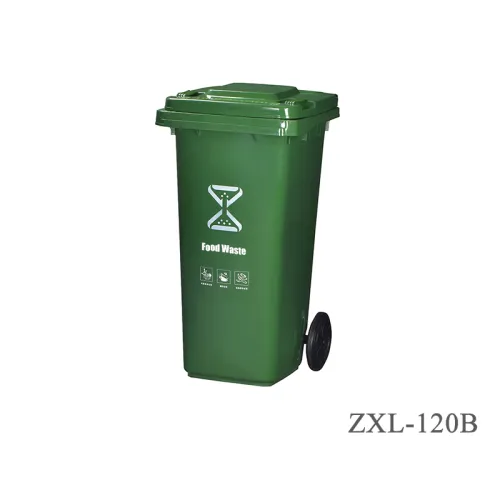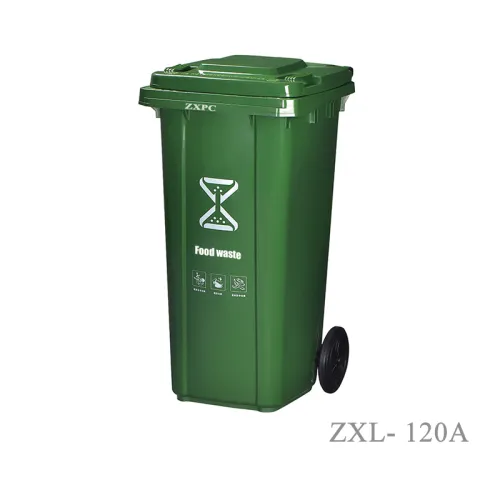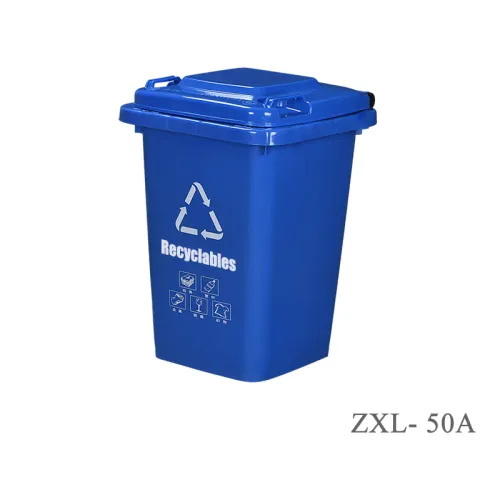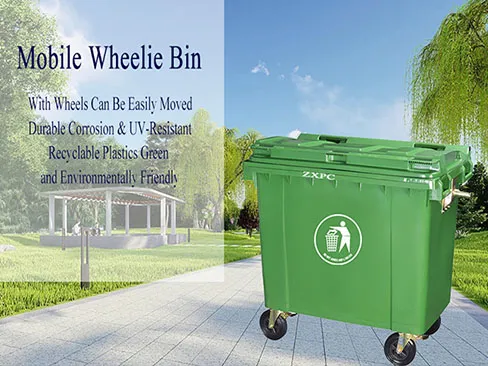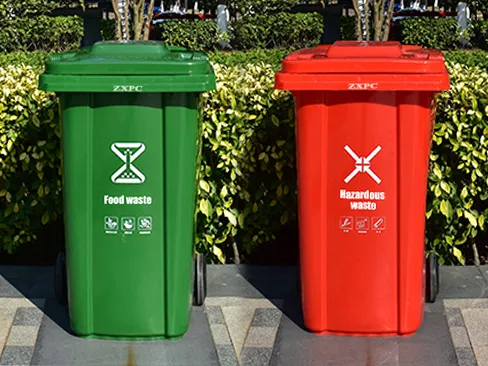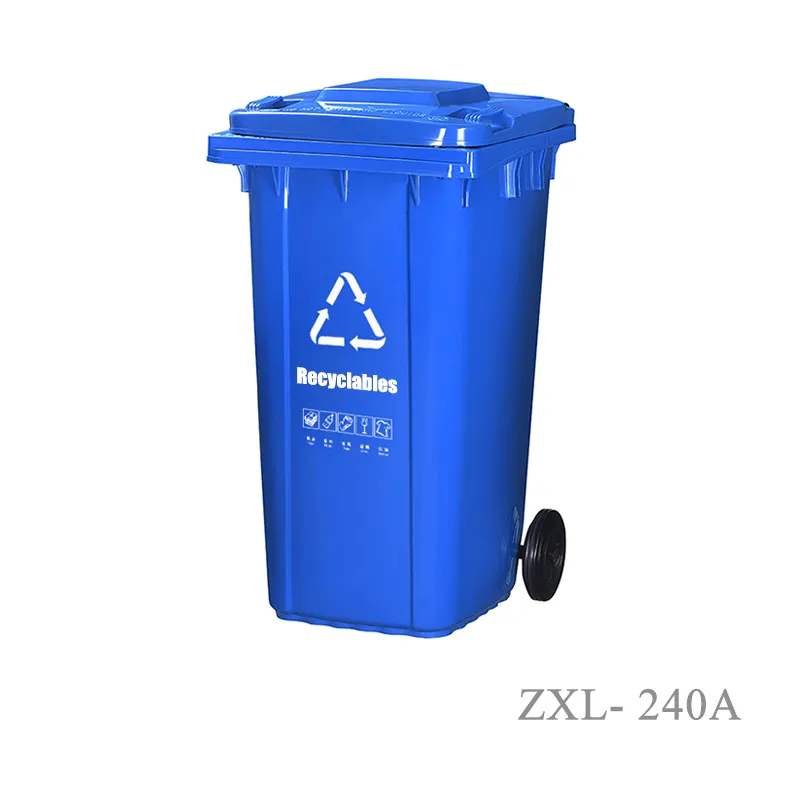
outdoor litter bins for streets play a vital role in keeping our neighborhoods clean. When trash accumulates, it creates an unattractive environment and encourages littering. Unfortunately, many outdoor waste bins are not durable enough to withstand harsh weather conditions. This leads to frequent replacements and increased costs for municipalities. Effective street management is crucial. Quality litter bins can help control waste and promote a clean atmosphere. Proper design features significantly impact longevity and usability.
Outdoor litter bins should be made from durable materials to withstand environmental factors. Key design features include weather resistance, a secure closure system, and easy maintenance options.
Outdoor litter bins must endure various weather conditions. Many are made from materials that resist rust, mold, and UV damage. For instance, bins constructed with high-density polyethylene (HDPE) have shown a lifespan of over 10 years even in extreme climates.
Effective lids prevent animals from scavenging. Bins with a locking mechanism ensure wasted items stay contained and don’t blow away. Testing standards have indicated that secure lids reduce littering by approximately 30%.
Maintenance is essential for longevity. Bins designed to be easily cleaned can save time and labor costs. Models with wider openings allow for easy trash disposal while minimizing spills. Regular inspections can reduce replacement costs by maintaining bins over time.
Metal outdoor litter bins provide sturdiness but may rust without proper coatings. Galvanized steel is a popular choice as it can withstand corrosion and has a long lifespan of up to 15 years.
Plastic bins are often lighter and easier to transport. However, some may not be as durable as metal. Quality HDPE bins are ideal as they combine lightness with resilience. They are able to handle extreme weather conditions effectively.
Composite bins use a mix of materials to enhance durability and aesthetics. Such bins often include recycled plastic and lumber options that provide an eco-friendly solution while reducing the carbon footprint of waste management.
Bins that blend well with the surrounding environment encourage use. Bins available in various colors and styles can match local architecture or park designs to enhance community engagement.
Choosing the right size is crucial. A standard capacity range for public bins is between 30 to 50 gallons. This allows for adequate waste storage without frequent emptying, which can improve efficiency.
Bins designed with heights suited for children and individuals with disabilities ensure everyone can dispose of waste properly. Compliance with ADA standards is essential for public spaces.
In summary, outdoor litter bins for streets are essential for keeping communities clean. They should be designed with durable materials, secure closures, and user-friendly features. Investing in quality litter bins can significantly reduce littering and maintenance costs. By selecting the right design, municipalities can enhance public spaces while promoting environmental responsibility.