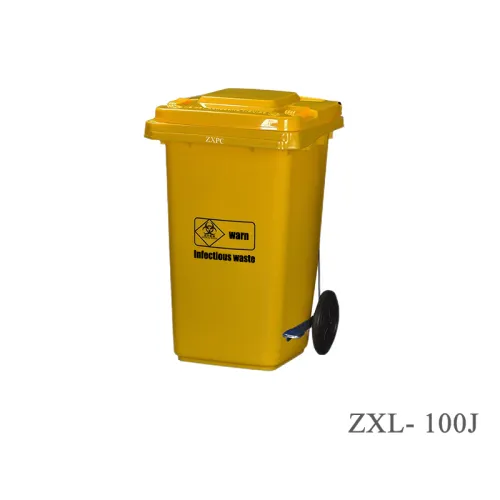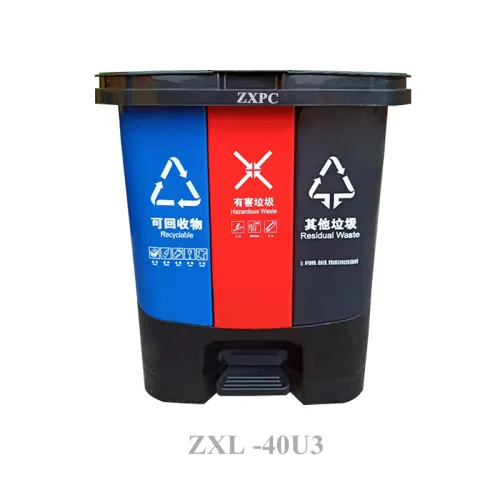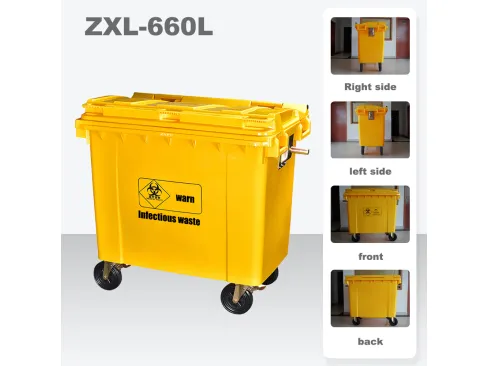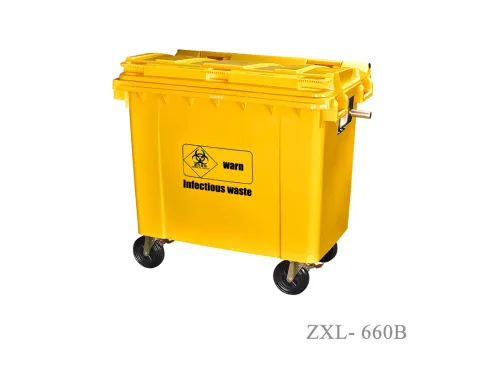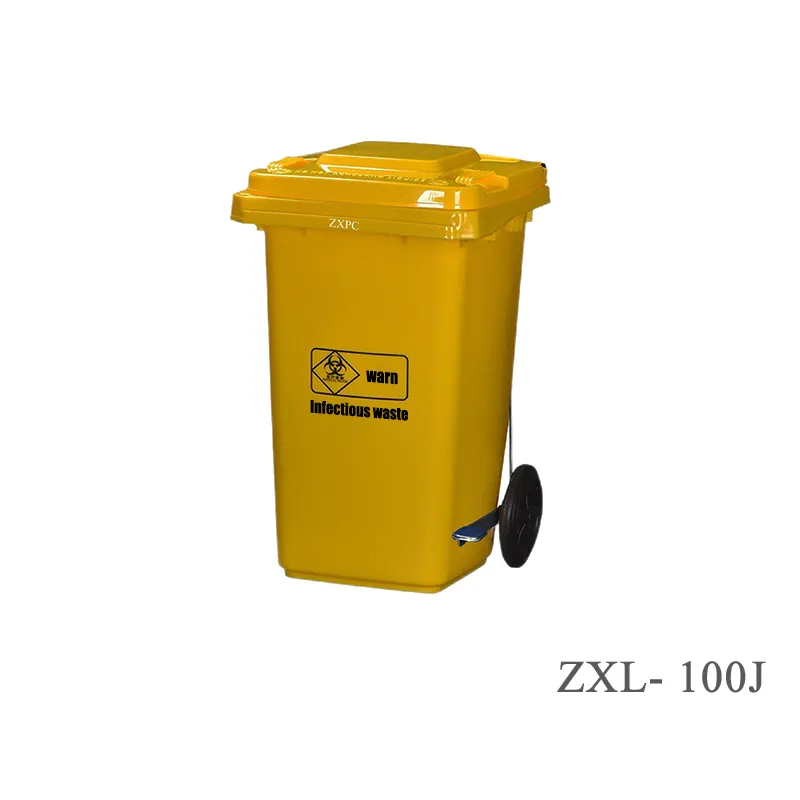
Navigating the intricate landscape of bio medical waste management can be daunting, whether you’re a beginner or an experienced professional. A robust solution lies in understanding the essential framework of color coding for bio medical waste bins. I’ve compiled a concise guide tailored for buyers that will enhance safety and compliance. By implementing strategic color coding, you can streamline your waste disposal process, ensure regulatory adherence, and contribute to a safer environment.
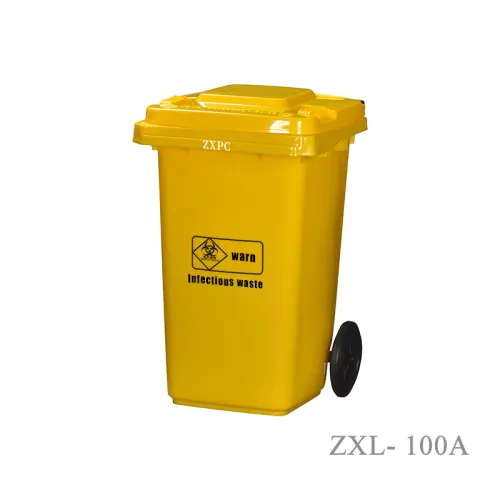
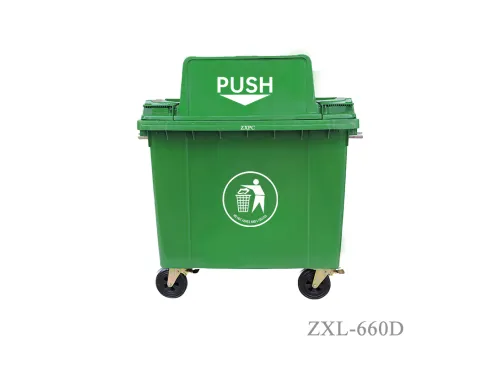
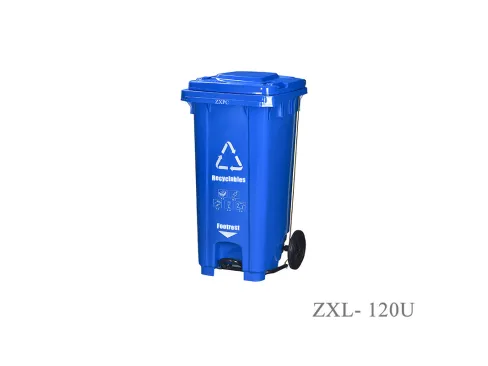
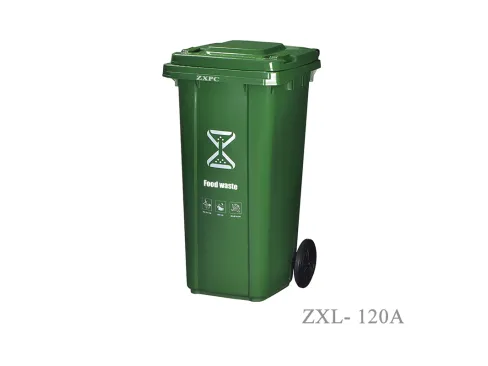
The journey begins with recognizing the different color codes for waste classification. Understanding these categories is pivotal as they dictate how waste is handled, stored, and disposed of. The primary colors and their corresponding waste types include:
Before purchasing bio medical waste bins, I recommend starting with a clear assessment of your facility's needs. Take time to evaluate the volume and types of waste generated in your operations. This step is crucial because it provides a foundation for selecting the appropriate bin sizes and quantities.
Next, I suggest reviewing the specifications to ensure compliance with recognized standards, such as ASTM and DIN requirements for waste containment. Each bin should uphold precise quality measures—aim for a minimum thickness of 2 mm to withstand punctures and tears and ensure they are tamper-resistant. ZXPC’s bins are exemplary in meeting these standards, with independence testing ensuring precision to 0.01mm, providing an additional layer of reliability.
Once you’ve selected the ideal bio medical waste bins based on your assessment and compliance specifications, consider proper placement within your facility. Proper bin placement is essential for ease of use and to encourage correct disposal practices among staff. Position bins prominently in areas where waste is generated, such as patient rooms and laboratory spaces. Clear signage indicating the waste type for each bin can further enhance this system.
I’ve witnessed remarkable transformations in waste management practices firsthand. For instance, a local healthcare facility revamped their waste disposal system by adopting ZXPC’s color-coded bins. By doing this, not only did they reduce cross-contamination risks, but they also improved compliance with local regulations, leading to a significant decrease in waste management costs. This case exemplifies how systematic color coding helps foster a culture of safety and efficiency.
As with any system implementation, challenges may arise. One potential hurdle I encountered was staff resistance to changing established disposal habits. To address this issue, I recommend conducting regular training sessions. Equip your team with knowledge about the importance of adhering to color-coding guidelines and the potential repercussions of non-compliance. Continuous education ensures every team member understands their role in maintaining safety within the facility. Moreover, establishing an open channel for feedback can further enhance adherence to the new system.
In conclusion, integrating a comprehensive, color-coded scheme for bio medical waste bins is a pivotal aspect of effective waste management in healthcare settings. By meticulously evaluating your needs, complying with established standards, strategically placing bins, and providing ongoing education, you can significantly enhance workplace safety and regulatory compliance. I encourage you to consider ZXPC for your bio medical waste bin solutions—they present a commitment to quality that undoubtedly reflects in their products.
With the foundation laid, I believe you are now equipped with the knowledge to tackle bio medical waste management confidently. Remember, safety and compliance do not happen by chance; they result from deliberate, informed choices and implementation of effective practices.